
DIY Home Gardening in India: Simple Tips to Grow Organic Vegetables Easily
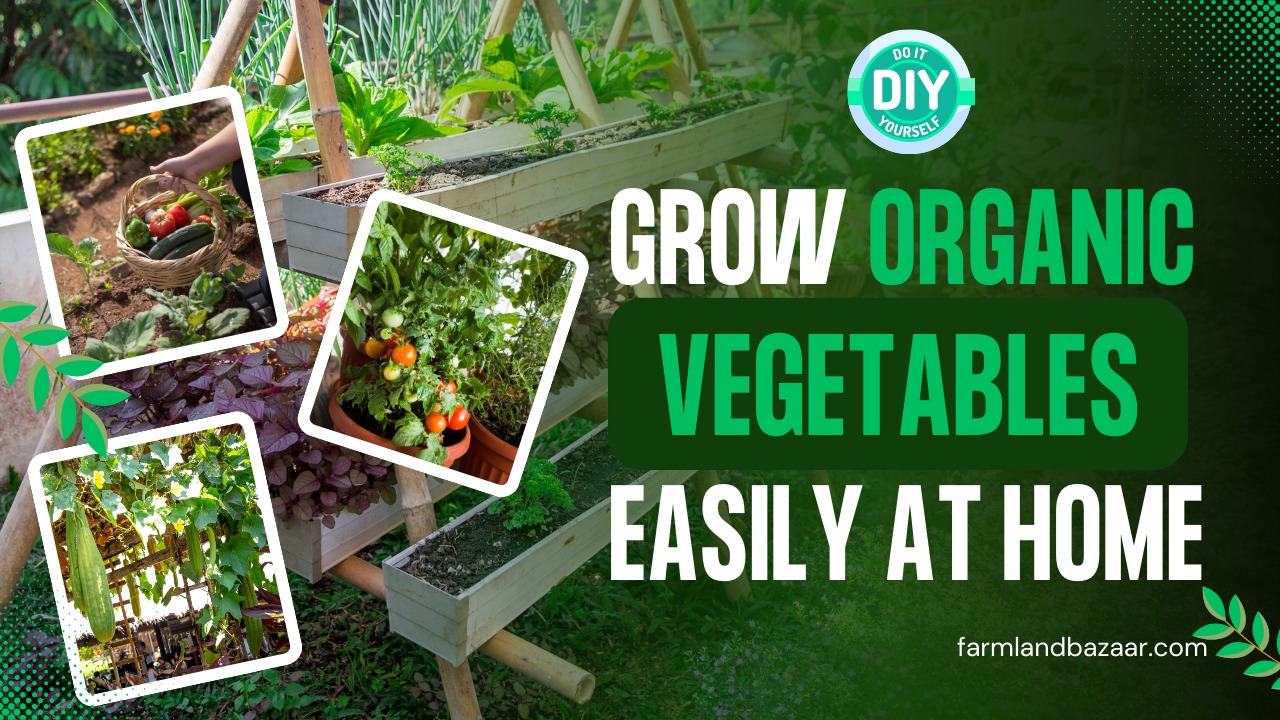
Embarking on the journey of organic farming at home is both rewarding and sustainable. Whether you have a spacious backyard or a modest balcony, cultivating your own vegetables can lead to healthier eating habits and a deeper connection with nature. Here's a beginner-friendly guide tailored for Indian households to kickstart your DIY organic farming adventure.
Getting Started with Organic Farming at Home
1. Choose the Right Location:
Select a spot that receives ample sunlight—ideally 5-6 hours daily. Balconies, terraces, or windowsills can be transformed into productive gardening spaces.
2. Select Suitable Containers:
For urban settings, containers are ideal. Use pots, grow bags, or recycled buckets with proper drainage holes. Ensure they're deep enough to accommodate root growth.
3. Prepare Organic Soil Mix:
A healthy soil mix is crucial. Combine equal parts of garden soil, compost, and cocopeat. This blend ensures good drainage and nutrient availability.
4. Choose Easy-to-Grow Vegetables:
Start with vegetables that are forgiving and require minimal care:
- Spinach (Palak): Fast-growing and rich in iron.
- Tomatoes: Require sunlight and regular watering.
- Chilies: Can be grown from dried chili seeds at home.
- Okra (Bhindi): Thrives in warm climates.
- Radish (Mooli): Quick to harvest and ideal for beginners.
5. Watering and Maintenance:
Water plants early in the morning to reduce evaporation. Ensure the soil remains moist but not waterlogged. Regularly check for pests and use natural remedies like neem oil sprays.
6. Utilize Kitchen Waste:
Compost vegetable peels, coffee grounds, and eggshells to enrich your soil. This not only reduces waste but also provides nutrients to your plants.
7. Practice Crop Rotation:
Avoid planting the same vegetable in the same spot repeatedly. Rotating crops prevents soil nutrient depletion and reduces pest buildup
Benefits of Home Organic Farming
- Healthier Produce: Consume vegetables free from harmful pesticides.
- Cost-Effective: Reduce grocery bills by growing your own food.
- Environmental Impact: Lower carbon footprint and promote biodiversity.
- Therapeutic Activity: Gardening can be a stress-relieving hobby.
Conclusion
Starting an organic garden at home is a fulfilling endeavor that brings numerous benefits. With patience and care, even novices can enjoy bountiful harvests. Embrace the joy of growing your own food and contribute to a healthier lifestyle and environment.
Happy Gardening!
Written by Farmland Bazaar Team
Agricultural assets advisor contributing to Farmland Bazaar v2. Focusing on organic investments, soil analysis reports, and deed checks.