
Goa’s New Agriculture Policy Bans Land Conversion, Aims to Keep the State Green
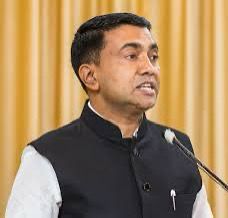
Goa Chief Minister Pramod Sawant has unveiled the Goa Amritkal Agriculture Policy, a landmark initiative aimed at preserving the state’s agricultural heritage while integrating modern farming techniques. A key highlight of the policy is a strict ban on converting agricultural land, particularly paddy fields, for non-agricultural purposes such as residential or commercial construction.
Protecting Goa’s Agricultural Heritage
“Our responsibility is to maintain a green Goa. Even if the Town and Country Planning (TCP) department converts paddy land, we have already passed a law that paddy agricultural land will not be converted,” Sawant stated during the policy launch. This move is part of the government’s long-term vision to ensure that Goa’s traditional farmlands, especially its paddy fields and khazan lands, remain protected from urban expansion.
The policy comes at a time when Goa is witnessing a surge in the construction of holiday homes and second homes, driven by demand from non-resident investors and tourists. This real estate boom has raised concerns about the rapid loss of farmland and the shrinking green cover in the state. In response, the Goa government passed a law in 2023 prohibiting the sale of agricultural land to non-agriculturists, further strengthening efforts to preserve Goa’s fertile lands and traditional cultivation practices.
The Impact of Weekend Homes and Holiday Homes
One of the biggest threats to Goa’s agricultural land has been the rising demand for weekend homes and holiday villas, especially in scenic rural areas. Wealthy buyers, often from metros like Mumbai and Delhi, have been purchasing farmland for private resorts and vacation homes, reducing the availability of land for cultivation.
Real estate developers, capitalizing on this trend, have been aggressively converting farmland into gated villa communities, boutique resorts, and private retreats, leading to an inflated land market that prices out local farmers. Many farmers, unable to compete with the profits from land sales, are forced to abandon agriculture altogether, further shrinking the state’s agrarian economy.
By enforcing strict land conversion rules, the new policy aims to halt this unchecked development and restore agricultural stability. However, experts believe continuous monitoring and enforcement will be crucial to prevent loopholes from being exploited.
Agro-Tourism and Sustainable Farming
Apart from land conservation, the Goa Amritkal Agriculture Policy also aims to promote agro-tourism as a means of boosting farm-based livelihoods. Under this initiative, farmers owning at least 4,000 square meters of land will be eligible to develop agro-tourism ventures, such as farm stays, organic food experiences, and nature-based activities. To ensure sustainable growth, the policy introduces strict zoning regulations to designate specific areas for agro-tourism, farmer field schools, and demonstration farms.
With only 10% of Goa’s land available for construction, the state government is focusing on supporting farmers and promoting sustainable agriculture instead of allowing farmland to be lost to urbanization. Officials believe that combining traditional farming methods with modern sustainability practices will help revive interest in agriculture among younger generations and create alternative sources of income for farmers.
Challenges and Implementation Concerns
While the new policy has been widely welcomed, experts warn that its effectiveness will depend on strong local-level implementation. Elsa Fernandes, President of the Khazan Society of Goa, cautioned, “The intent of the policy is good, but if it only remains on paper, we will be back to square one. The problems in Goa’s agriculture sector have been accumulating for years and cannot be solved overnight.”
Agriculture stakeholders argue that top-down policies need to be supplemented by grassroots efforts, including direct farmer engagement, financial incentives for agricultural activities, and better irrigation infrastructure. A bottom-up approach, where solutions are shaped by local farmers rather than policymakers alone, could play a crucial role in ensuring long-term success.
A Step Towards a Sustainable Future
The Goa Amritkal Agriculture Policy marks an important step in protecting Goa’s rich agricultural landscape while modernizing the sector for long-term sustainability. If effectively implemented, the policy has the potential to balance development with environmental conservation, ensuring that Goa remains a green, fertile, and thriving state for future generations.
For more farmland insights and updates, stay connected with Farmland Bazaar.
Written by Farmland Bazaar Team
Agricultural assets advisor contributing to Farmland Bazaar v2. Focusing on organic investments, soil analysis reports, and deed checks.