
India’s Big Push for Natural Farming: A Sustainable Future for Agriculture
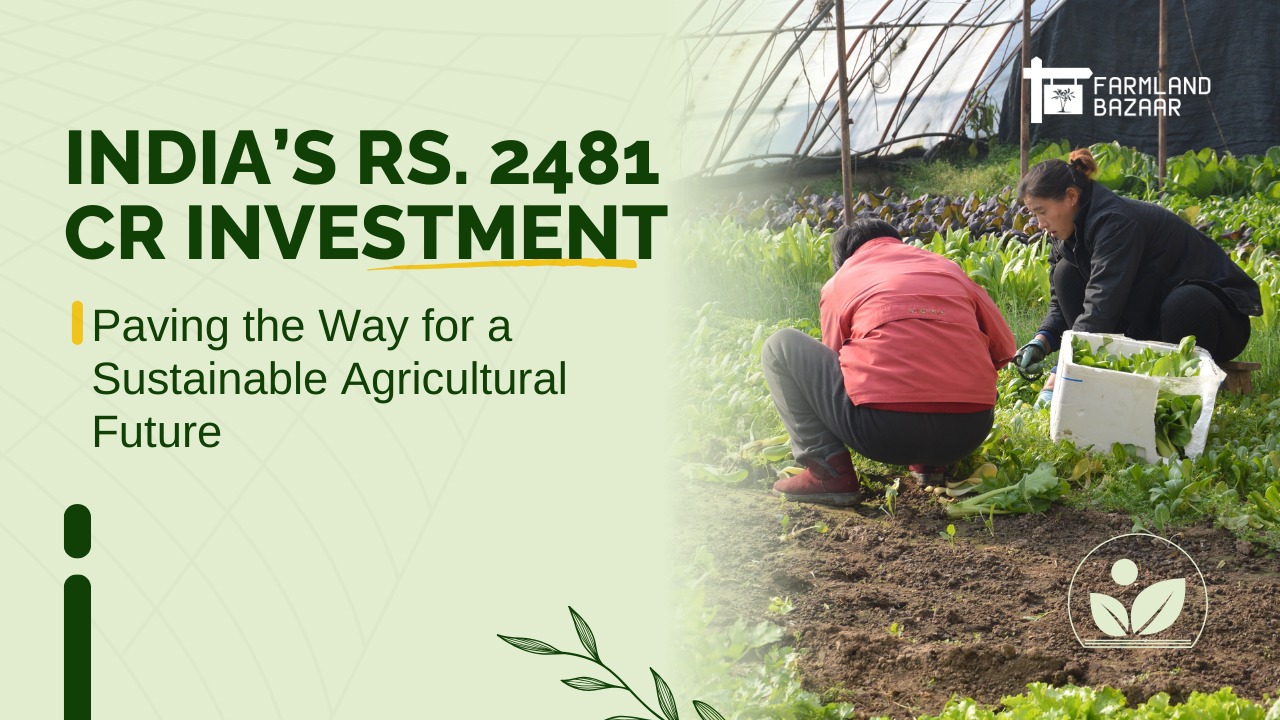
Union Cabinet Allocates Rs. 2481 Cr to Boost Natural Farming and Soil Health
In a groundbreaking move to transform India's agricultural sector, the Union Cabinet has approved a significant allocation of Rs. 2,481 crore for promoting natural farming across the country. Launched under the leadership of Prime Minister Narendra Modi, this scheme is poised to revolutionize Indian agriculture by reducing the environmental impact of traditional farming practices and transitioning to more sustainable, eco-friendly methods.
What is Natural Farming?
Natural farming refers to an agricultural approach that avoids the use of synthetic fertilizers, pesticides, and other chemicals, instead focusing on the restoration of natural soil health. This eco-friendly farming method draws inspiration from ancient agricultural techniques, emphasizing the importance of crop rotation, soil biodiversity, and the use of bio-fertilizers.
The Government's Vision for Sustainable Farming
The scheme is set to help farmers across India, particularly in regions like Uttar Pradesh, Bihar, and Rajasthan, which have a long history of traditional farming methods. By transitioning to natural farming, farmers will benefit from reduced input costs, improved soil health, and enhanced profitability. Moreover, this initiative aligns with the government's broader goal of promoting "Atmanirbhar Bharat" (self-reliant India), by making Indian agriculture more sustainable and resilient.
Key Features of the Scheme
The Rs. 2,481 crore allocation is a significant step towards promoting organic farming across the nation. The scheme targets key crops such as paddy, wheat, pulses, and oilseeds, with the aim of increasing organic adoption and improving soil fertility. Among the key objectives are:
- Improving Soil Health: By promoting sustainable farming practices that rejuvenate the soil, the scheme helps prevent soil degradation and promotes long-term agricultural productivity.
- Reducing Input Costs: Natural farming practices reduce reliance on expensive chemical inputs like fertilizers and pesticides, leading to significant savings for farmers.
- Encouraging Biodiversity: The scheme supports crop rotation and the use of bio-fertilizers, which contribute to restoring soil biodiversity and boosting ecosystem health.
How the Scheme Fits into India's Long-Term Agricultural Strategy
Experts believe this scheme comes at a crucial time. As concerns about the environmental impact of chemical-intensive farming grow, the initiative offers a practical solution. This initiative is also in line with India's long-term agricultural strategy, which aims to increase crop yields while addressing the challenges posed by climate change. The government's push towards natural farming could play a vital role in mitigating the harmful effects of over-reliance on synthetic chemicals, such as soil degradation and water pollution.
Global Trends in Sustainable Agriculture
India's natural farming push also aligns with global trends in sustainable agriculture. As countries worldwide face soil degradation, water scarcity, and rising chemical costs, there is a strong movement towards climate-smart agriculture. This approach, advocated by global organizations such as the UN Food and Agriculture Organization (FAO), emphasizes the need for agriculture systems that can adapt to climate change while reducing their ecological footprint. India’s scheme is a significant step in this global movement, highlighting the importance of sustainable farming practices for long-term food security and environmental health.
Addressing Environmental and Economic Challenges
The scheme’s alignment with India’s broader environmental goals becomes even clearer when considering the growing concerns over the impacts of conventional farming. According to reports from Business Today and other sources, the program addresses these issues head-on by encouraging practices that reduce dependency on harmful chemicals and support a more resilient agricultural ecosystem. The initiative’s success will also depend on its implementation, including educating farmers on the benefits of natural farming and ensuring access to necessary resources.
Supporting Infrastructure and Research
The 2024 Union Budget introduced several reforms aimed at improving agricultural productivity, sustainability, and farmer profitability, in line with the government's vision of boosting rural incomes and ensuring long-term growth. Key initiatives include:
- High-Yielding and Climate-Resilient Crops: The government has focused on the development of high-yielding and climate-resilient crops, aimed at enhancing agricultural output while addressing the challenges posed by climate change.
- Promotion of Digital Tools and Infrastructure: Investments in digital tools are expected to make farming more efficient and data-driven. These will enhance farmers' access to real-time information and market trends, improving decision-making and overall productivity.
- Research and Development (R&D): Significant funds have been allocated for agricultural research to promote sustainable practices, improve soil health, and innovate in crop breeding.
- Natural Farming: The budget also highlighted the expansion of the natural farming initiative, which supports organic and sustainable farming practices, aiming to reduce dependency on chemical fertilizers and pesticides.
Additionally, initiatives like the PM Kisan Samman Nidhi and Pradhan Mantri Fasal Bima Yojana (PMFBY) continue to provide direct support to farmers, while schemes like NABARD’s Rural Infrastructure Development Fund aim to improve rural infrastructure, such as cold storage chains and warehousing.
These efforts align with the broader goal of improving agricultural infrastructure, enabling farmers to achieve better yields and better market prices, thus ensuring their financial stability.
Long-Term Benefits: Healthier Soils and Resilient Agriculture
With effective implementation, the natural farming scheme could lead to long-term benefits such as healthier soils, improved biodiversity, and a more resilient agricultural sector. By promoting sustainable practices, the initiative also positions India as a leader in the global effort to combat climate change and promote food security. Moreover, with its focus on enhancing the economic sustainability of farmers, the scheme is expected to boost rural incomes and contribute to the development of rural areas.
Conclusion
The Rs. 2,481 crore allocated for natural farming is not just a financial boost but a visionary step towards transforming Indian agriculture. By promoting eco-friendly farming techniques, the Indian government aims to ensure a sustainable, self-reliant future for its farmers. The transition to natural farming will reduce the environmental impact of agriculture while improving soil health, reducing costs for farmers, and enhancing the profitability of key crops. This initiative is a vital part of India's broader agricultural strategy and aligns with global movements toward sustainable farming practices.
As India takes this monumental step towards sustainable agriculture, the long-term benefits for the environment, farmers, and the economy will be significant. This scheme marks the beginning of a new chapter in India's agricultural future, and it sets a strong precedent for other countries striving to promote climate-smart, sustainable farming.
Written by Farmland Bazaar Team
Agricultural assets advisor contributing to Farmland Bazaar v2. Focusing on organic investments, soil analysis reports, and deed checks.