
Sikkim: The State That Lives Earth Day—365 Days a Year

Once upon a time, when the Earth gasped for breath, drowning in plastic seas and chemical-laced soils, a little state tucked away in the Himalayas quietly rose to the occasion. While the world debated climate change in air-conditioned conference rooms, Sikkim rolled up its sleeves and got to work. It didn’t shout, it didn’t wait. It acted.
This Earth Day, as hashtags trend and campaigns resurface, it's worth turning our eyes to this serene northeastern state of India that has been living the Earth Day values all year round. Sikkim is not just inspiring India; it’s quietly teaching the world how to heal the planet, one bamboo bottle and one organic farm at a time.
The First Step: A Plastic-Free Vision (1998)
The story of Sikkim’s transformation began in 1998, when the state banned single-use plastic — a bold move at a time when the world was still waking up to the environmental crisis. While most places were unaware of the long-term impact of plastic pollution, Sikkim was already acting on it. This early decision marked the state’s first conscious step toward building an environmentally responsible future.

Pic Credit: The Financial Express
The Organic Shift: A Deeper Commitment (2003)
But that was only the beginning.
In 2003, Sikkim took a giant leap further when the Government, under the leadership of then Chief Minister Pawan Kumar Chamling, made a visionary announcement — to turn the entire state fully organic. At the time, the word "organic" was more of a lifestyle aspiration in elite circles than a state policy. But Sikkim was serious.
The decision wasn’t just symbolic — it involved phasing out all chemical fertilizers and pesticides. In fact, the state went a step further by stopping the import of chemical fertilizers altogether. The goal was to protect soil fertility, ensure environmental health, and encourage safe and sustainable agricultural practices for the well-being of its people.
By 2010, the movement gained momentum through the launch of the Sikkim Organic Mission — a comprehensive initiative that offered farmers training, support, organic inputs, and certification assistance to help them make the transition. The program reached over 66,000 farmers, who not only adopted organic practices but also became champions of sustainable farming.
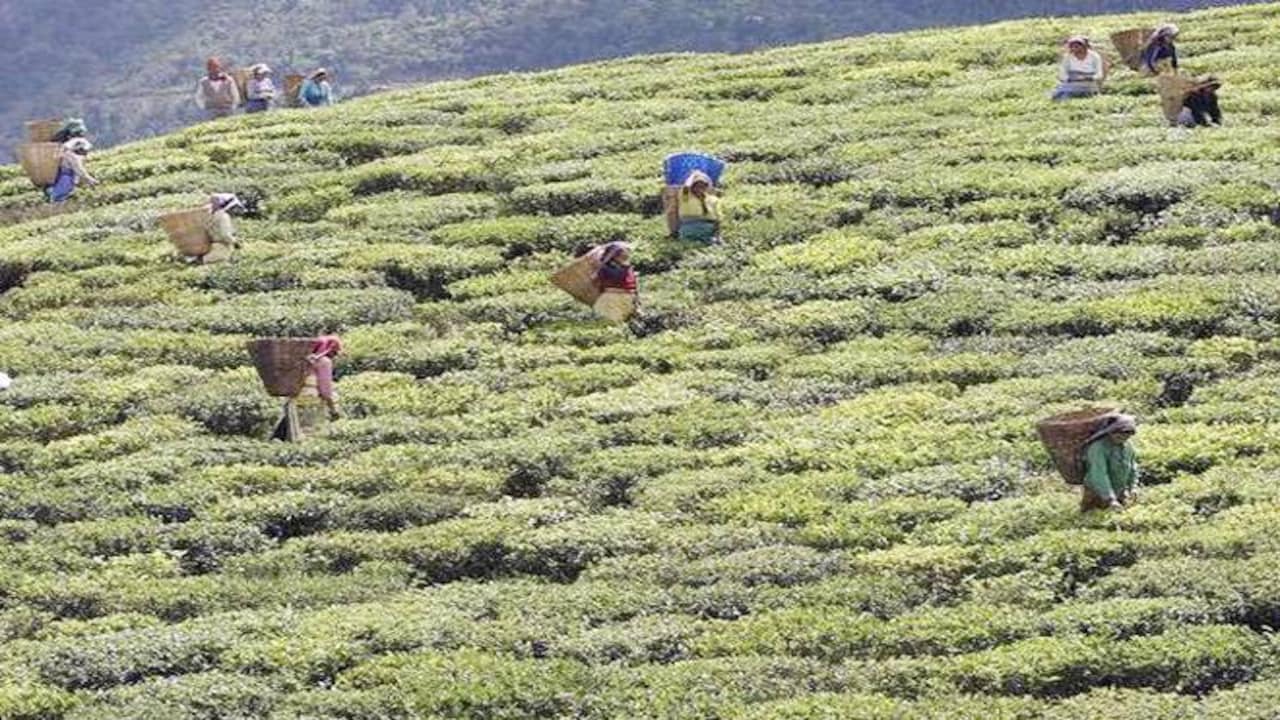
Pic Credit: Business Today
The Sikkim: India’s first 100% organic state (2016)
After over a decade of persistent efforts, Sikkim was declared India’s first 100% organic state in January 2016 by Prime Minister Narendra Modi. A staggering 75,000 hectares of farmland had been certified organic — an achievement that no other region in the world had accomplished at such a scale through policy-led governance. The world took notice and so did our Prime Minister, who applauded the achievement, stating:
"Sikkim is an example... I salute those lakhs of farmers of Sikkim who didn’t give up their path, didn’t give up their desire… And today the whole world would be clapping for Sikkim."
This wasn’t just an environmental feat; it was a public health victory and a socioeconomic transformation. Farmers reported better yields, lower input costs, and higher demand for their organic produce. At the same time, the state witnessed an upsurge in eco-tourism, with travelers drawn to its lush green farms, chemical-free food, and refreshing air.
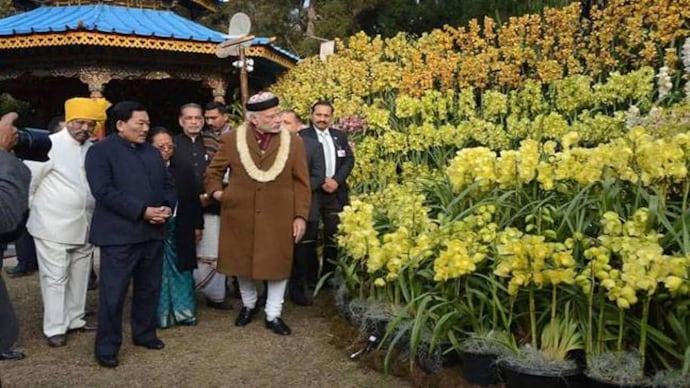
Pic Credit: India Today
A Global Ovation: The “Oscar for Best Policies” (2018)
In 2018, the world took notice. Out of 51 nominations from 25 countries, Sikkim was awarded the Future Policy Gold Award by the UN’s Food and Agriculture Organization (FAO) in Rome. Often referred to as the “Oscar for Best Policies,” this award honored the best policies worldwide that promote agroecological practices and sustainable food systems.
Sikkim wasn’t just the first Indian state to achieve this — it became the first fully organic state in the world. And this wasn’t just about policy. As Maria Helena Semedo, FAO Deputy Director, noted during the award ceremony:
“Sikkim sets an excellent example of how other Indian states and countries worldwide can successfully upscale agroecology.”
From sustainable farming models to rural development, Sikkim was no longer just a case study — it was a global benchmark.

Pic Credt: YourStory
The Bamboo Bottle Story: Lachen Leads the Way (2022)
In 2022, Sikkim took another bold step in its environmental journey by banning plastic water bottles of 2 liters and below, especially in tourist hotspots. The reason? Drinking pristine Himalayan water from a plastic bottle goes against the very essence of preserving the hills it flows through. In the serene town of Lachen, North Sikkim, a revolution is quietly unfolding. Bamboo water bottles, handmade by local artisans, are gradually replacing the plastic bottles once commonly seen along tourist trails. These biodegradable, eco-friendly bottles, priced between Rs. 400 and Rs. 500, are more than just souvenirs; they represent a change in mindset.
Crafted by skilled artisans like Mikmar Lepcha, who has been making bamboo products since 2020, the bottles are a pledge to a sustainable future. Supported by self-help groups and the Sikkim State Rural Livelihood Mission (SRLM), this initiative is a double victory — protecting the environment while uplifting local communities.

Pic Credit: Travelogy India
Beyond Organic: Sikkim’s All-Round Green Blueprint
Sikkim’s ecological ethos isn’t restricted to agriculture and plastic. The state has pioneered:
-
Green tax policies to discourage over-tourism.
-
Community-based eco-tourism models to protect fragile ecosystems.
-
Environmental education in schools, ensuring the next generation continues the mission.
-
Bans on non-biodegradable items in government functions and public gatherings.
These steps may not always grab headlines, but they create ripple effects that inspire both policy and behavior across India.
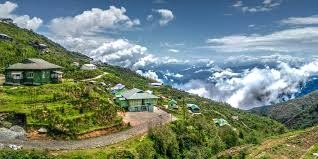
Pic Credit: The Better India
A Ripple Effect Across the Region
Sikkim’s commitment to organic farming has had a contagious effect. Several North Eastern states — including Meghalaya, Mizoram, Nagaland, and Arunachal Pradesh — are now working toward increasing organic coverage.
Under the Paramparagat Krishi Vikas Yojana (PKVY) and Mission Organic Value Chain Development, efforts are being made to convert thousands of hectares into organic-certified land across the region.
Sikkim, in many ways, has become a catalyst — showing that policy-led change, when rooted in local participation, can truly be sustainable.
A Blueprint for the Planet
What makes Sikkim’s approach unique is not just its policies but its persistence. The state didn’t stop at making declarations. It followed through with grassroots execution. From government to villages, everyone had a role to play. The result? A thriving ecosystem that respects nature, supports its people, and welcomes visitors who leave only footprints.
In a world rushing to launch carbon credits and greenwashing campaigns, Sikkim is a reminder that sometimes, old-world wisdom and local solutions are all it takes. It has become a model for sustainable development, proving that economy and ecology can go hand in hand.
Why Sikkim Matters This Earth Day
Earth Day is more than a date on the calendar. It’s a call to conscience. And Sikkim is living proof that responding to that call isn’t just necessary — it’s doable.
From becoming an organic pioneer to leading a plastic-free movement, from empowering local artisans to influencing national policies, Sikkim is a beacon. It shows us that healing the Earth isn’t about grand gestures but consistent action. And sometimes, it starts with a bottle. Not a plastic one, but a bamboo-crafted promise of a greener tomorrow.
So this Earth Day, while the world talks about the planet, let’s listen to the state that’s already walking the talk. Let’s listen to Sikkim.
Written by Farmland Bazaar Team
Agricultural assets advisor contributing to Farmland Bazaar v2. Focusing on organic investments, soil analysis reports, and deed checks.