
Unlocking the Hidden Profit Potential of Sandalwood Plantations in Your Portfolio
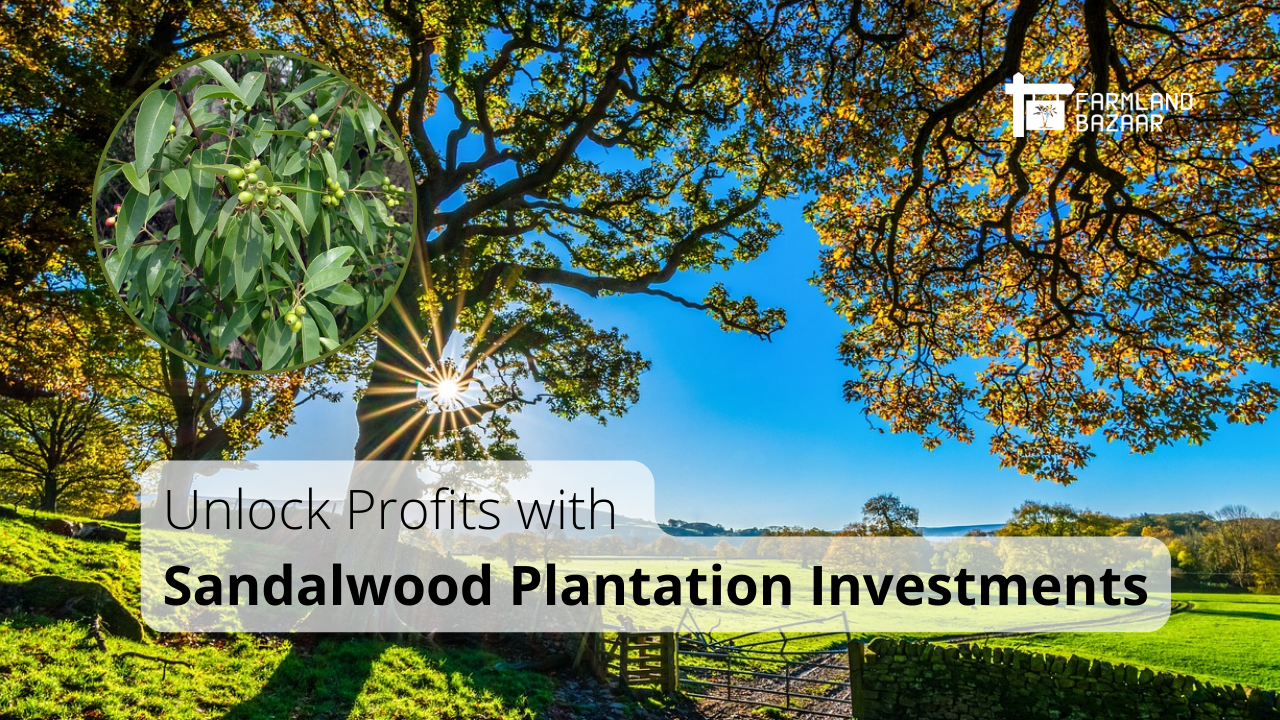
In a world increasingly obsessed with financial security, individuals are constantly seeking unique and sustainable investment opportunities. One such extraordinary venture is sandalwood farming. Imagine the prospect of transforming a modest investment into an income stream worth millions over time—that’s the promise sandalwood cultivation holds. Not only does it offer long-term financial gains, but it also contributes to ecological balance and sustainability. Let’s delve deeper into the nuances of this lucrative endeavor and discover how even a single tree in your backyard can bring remarkable returns.
The Allure of Sandalwood: A Treasure in Nature’s Lap
Sandalwood, often referred to as "green gold," has been cherished for centuries for its aromatic wood and essential oil. Indian sandalwood (“Santalum album”) is particularly prized for its unmatched quality and superior oil content. Used in perfumes, cosmetics, medicines, and religious rituals, the demand for sandalwood has only grown over time. However, the combination of stringent regulations and diminishing natural reserves has created a massive supply-demand gap, making sandalwood cultivation an exceptionally profitable venture.
Just one sandalwood tree can symbolize financial security. For instance, planting a single tree in your wheat or rice fields, or even in your garden, requires an initial investment of just ₹100. Over 15 years, this tree can yield a return of approximately ₹1.5 lakh, turning it into a personal fixed deposit with compounded benefits—but far more rewarding.
Global Demand and Export Trends
Sandalwood’s global appeal has surged in recent years, with its primary markets being the UAE, USA, and Europe. In 2023 alone, India exported sandalwood products worth over ₹1,200 crore, with demand projected to grow at a compound annual growth rate (CAGR) of 6.9% from 2023 to 2030. Despite competition from countries like Australia and Indonesia, Indian sandalwood continues to dominate international markets due to its premium quality and oil richness.
Economic Value
-
Domestic Market Rates: Indian sandalwood heartwood is priced between ₹7,500 and ₹16,500 per kilogram, depending on quality.
-
International Rates: Sandalwood commands a premium in global markets, with prices being 15–20% higher than domestic rates.
-
Essential Oil: The essential oil derived from sandalwood fetches an astounding ₹1.5 lakh per kilogram in the domestic market, a figure that escalates even further internationally.
This consistent price augmentation, often exceeding 25% annually, makes sandalwood a stellar investment for those willing to wait for the trees to mature.
Understanding Sandalwood Cultivation: Science Meets Sustainability
Sandalwood cultivation is both an art and a science. The tree, a hemi-parasitic plant, thrives in tropical dry deciduous forests and derives nutrients from host plants. Key states for cultivation in India include Karnataka, Tamil Nadu, Andhra Pradesh, and Kerala. With proper care, sandalwood trees mature in 15–20 years, yielding 15–20 kg of valuable heartwood per tree.
Choosing Host Plants Host plants are those that provide essential nutrients to a specific plant, fostering a symbiotic relationship that aids its growth. In the case of sandalwood, the success of its plantation depends heavily on the choice of suitable host plants. Red gram, casuarina, and pongamia are excellent options, as they supply the necessary nutrients to the sandalwood trees. These host plants are carefully planned and planted alongside the sandalwood saplings before their establishment. The timing and placement of the host plants are crucial to ensure they provide the right support and enhance the growth and productivity of the sandalwood trees.
Tree Density and Spacing Optimizing tree density is crucial for maximizing yield:
-
Recommended spacing is 10x10 feet, allowing approximately 435 trees per acre.
-
Proper spacing ensures ample room for root expansion and nutrient absorption, fostering healthy growth.
Cultivation Practices the maintenance of sandalwood plantations is relatively low. Organic fertilizers, regular pruning, and pest control are essential for healthy trees. However, security measures like fencing and employing guards are equally important to protect the high-value wood from theft.
Profit Potential: Calculating the Green Fortune
The heartwood of a single sandalwood tree is its most valuable part, used extensively in the production of perfumes, cosmetics, and traditional medicines. With current market prices, the profit potential of sandalwood farming is staggering:
-
Per Tree: A mature tree yields 15–20 kg of heartwood, valued at approximately ₹3,000–7,000 per kilogram.
-
Per Acre: A plantation of 435 trees can generate an income of ₹50–60 lakh per acre over 20 years.
-
Large-Scale Farming: A 10-acre plantation could yield profits of ₹5 crore, transforming your farmland into a veritable goldmine.
Legalities and Regulations: Navigating the Red Tape
Growing sandalwood in India is legal, but farmers must adhere to specific regulations to ensure sustainable practices and prevent illegal trade. Registration with local forest departments and obtaining permits for harvesting and transportation are mandatory.
State-Specific Guidelines
-
Karnataka: Governed by the Karnataka Forest Act, 1963, sandalwood-related activities require explicit permissions from the Forest Department.
-
Tamil Nadu: The Tamil Nadu Forest Act, 1882, mandates registration and compliance with detailed harvesting and trade guidelines.
-
Kerala: Farmers in Kerala must secure special permits under the Kerala Forest Act, 1961.
-
Andhra Pradesh: The Andhra Pradesh Forest Act, 1967, outlines clear rules for plantation registration and harvesting permits.
Compliance with these laws not only protects farmers from legal hassles but also ensures that their investment remains secure.
Sustainability and Low Maintenance: A Win-Win Proposition
Sandalwood farming is inherently sustainable. The host plants improve soil fertility, while the trees themselves sequester carbon, contributing to ecological balance. Moreover, the maintenance requirements are minimal, involving occasional pruning, organic fertilization, and pest control. This makes sandalwood cultivation an attractive option for farmers seeking a low-maintenance yet highly profitable venture.
Why Sandalwood Farming Stands Out
-
Longevity and Returns: Unlike short-term crops, sandalwood offers long-term financial stability.
-
Diverse Applications: The versatility of sandalwood in industries ranging from perfumery to medicine ensures sustained demand.
-
Eco-Friendly Investment: Sandalwood cultivation promotes biodiversity and reduces carbon footprints.
-
Minimal Space Requirements: Even small plots of land or gardens can be utilized effectively.
-
Low-Risk, High-Reward: With proper planning and adherence to legal frameworks, the risk factors are significantly mitigated.
How to Start Sandalwood Farming: A Beginner’s Guide
Sandalwood farming may seem daunting at first, but with the right approach, anyone can embark on this rewarding journey. Here’s how to get started, even from the comfort of your home:
1. Choose the Right Location Sandalwood thrives in tropical dry deciduous climates. Ensure your land has adequate sunlight, proper drainage, and minimal waterlogging.
2. Source High-Quality Saplings Purchase certified sandalwood saplings from reputable nurseries or government-approved suppliers. High-quality saplings are essential for healthy growth and maximum yield.
3. Select Suitable Host Plants Plant host species like red gram or casuarina alongside sandalwood saplings to ensure a symbiotic relationship that supports nutrient absorption.
4. Register Your Plantation Contact your local forest department to register your plantation and obtain necessary permits. This step is crucial for ensuring legal compliance.
5. Adopt Sustainable Practices Use organic fertilizers, implement pest control measures, and follow environmentally friendly practices to maintain the health of your plantation.
6. Secure Your Investment Install fencing, hire guards if necessary, and take other precautionary measures to protect your trees from theft.
7. Plan for the Long Term Sandalwood farming is a long-term investment. Patience and consistent care are key to reaping substantial rewards.
Even Small Spaces Work! If you don’t own farmland, you can still plant sandalwood in your backyard or garden. A single tree, with an investment of just ₹100, can yield ₹1.5 lakh over 15 years. Think of it as a green fixed deposit with exponential returns.
Conclusion: Planting a Legacy
Sandalwood farming is not just about monetary gains; it’s about creating a legacy of sustainability, patience, and growth. Whether you have a sprawling farm or a small patch of land, the potential to earn exceptional returns while contributing to environmental balance is undeniable. So, why wait? Start your sandalwood journey today. Plant a tree for your future, nurture it with care, and watch it transform into a symbol of prosperity for generations to come.
Written by Farmland Bazaar Team
Agricultural assets advisor contributing to Farmland Bazaar v2. Focusing on organic investments, soil analysis reports, and deed checks.