
Gorai Mangrove Park: A Small Step, A Big Shift in How We See Land
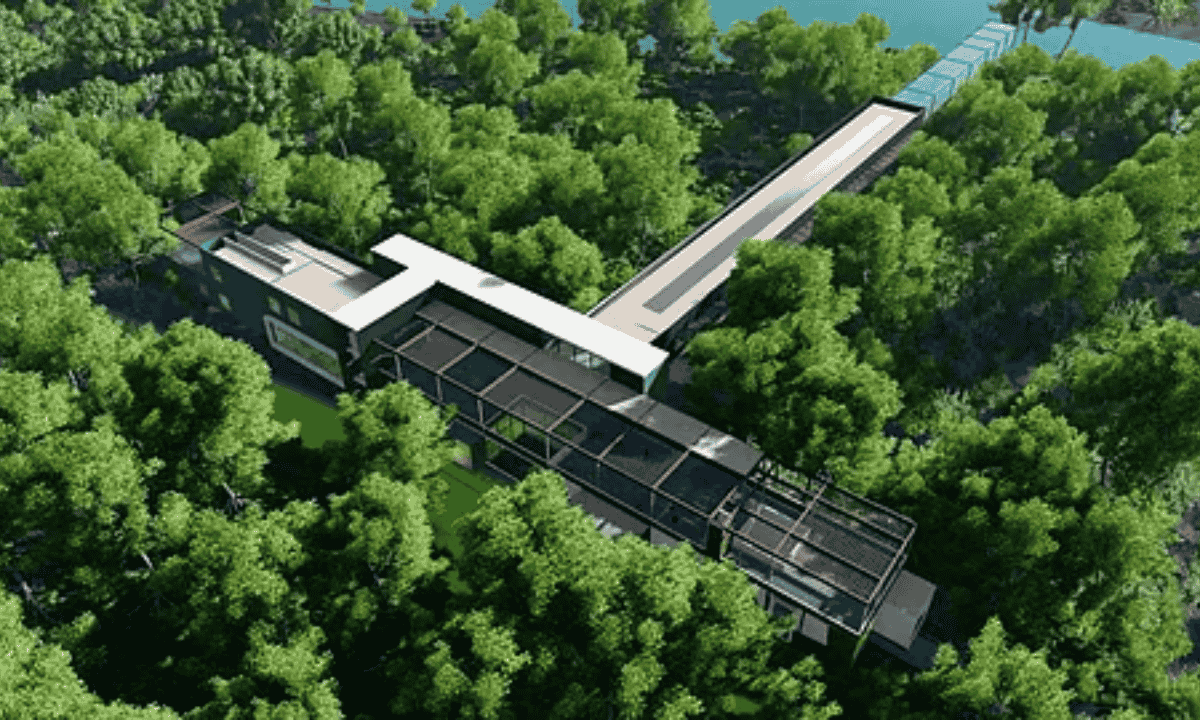
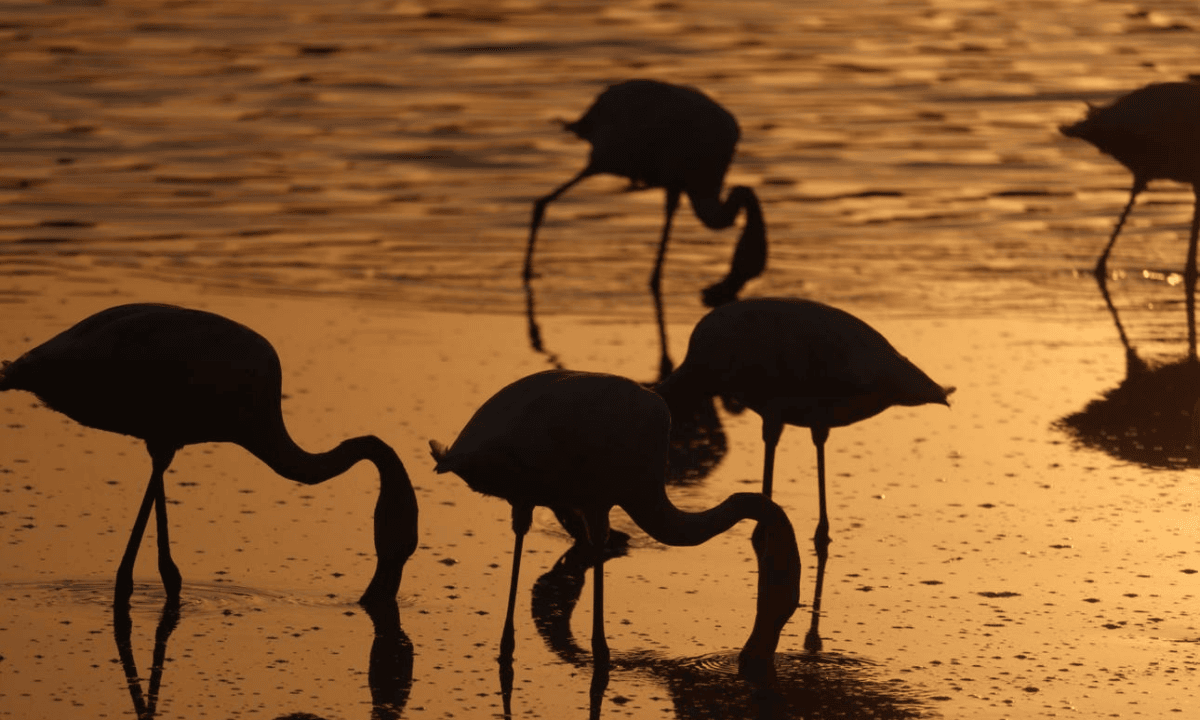
In Mumbai, where land is often viewed as something to build on, the upcoming mangrove park in Gorai quietly introduces a different idea, which is “what if we built around nature instead?”
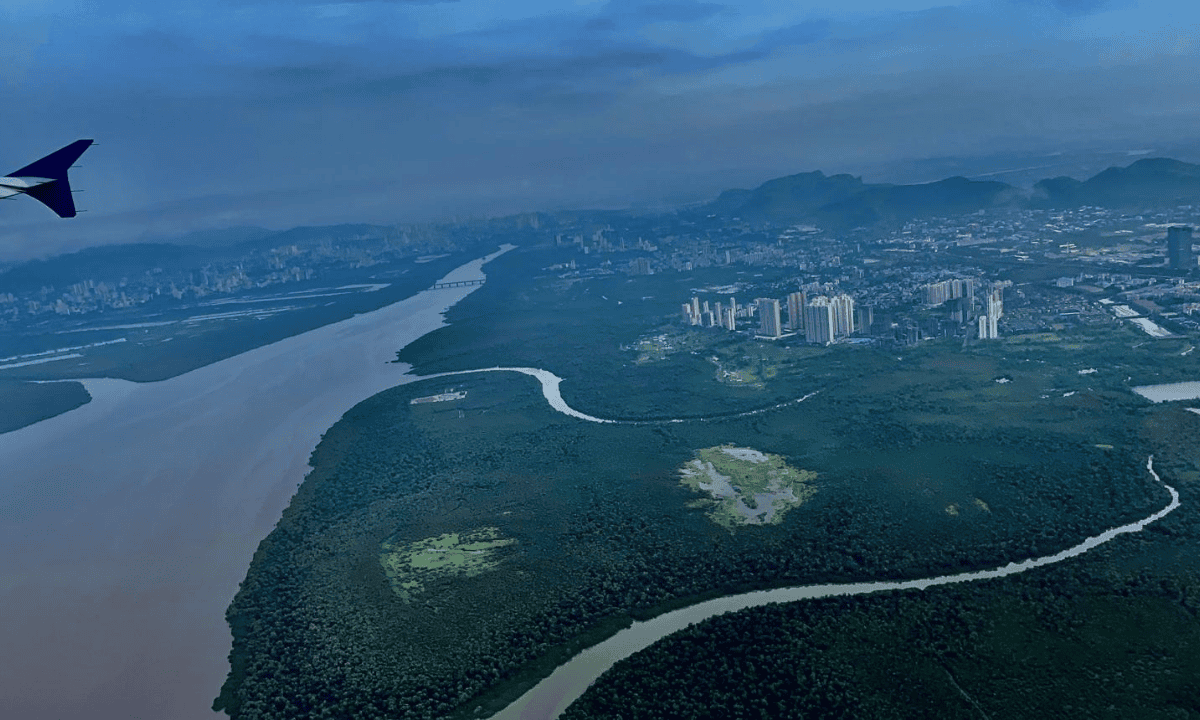
Spread across nearly 8 hectares and nearing completion, the Gorai Mangrove Forest Park has been designed with a simple but powerful approach: don’t disturb what already works. Instead of clearing land, the project uses elevated boardwalks, minimal construction and solar-powered systems to let people experience the ecosystem without damaging it.
At first glance, it may seem like just another urban park. But for anyone who closely follows sustainability it represents something much deeper.
A New Way of Thinking About Land
For years, development has followed a familiar pattern: clear the land, level it and then build something new. Nature was often seen as an obstacle to be managed.
Gorai challenges that thinking.Here, the mangroves are not being replaced or redesigned. They are the centerpiece. The infrastructure exists only to help people understand and appreciate what’s already there.
And that shift matters.
Because it reflects a growing realization: land doesn’t need constant intervention to be valuable. In fact, its natural state often holds far greater long-term value be it ecologically, financially and emotionally.
Why Mangroves Matter More Than We Think
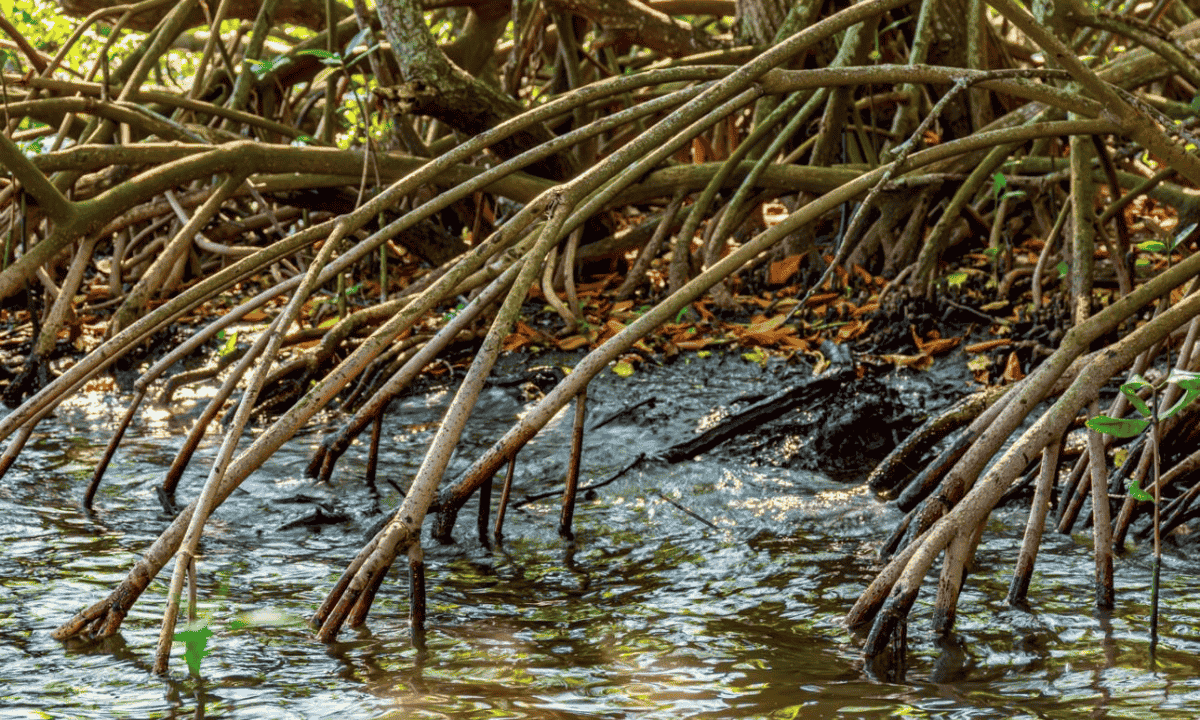
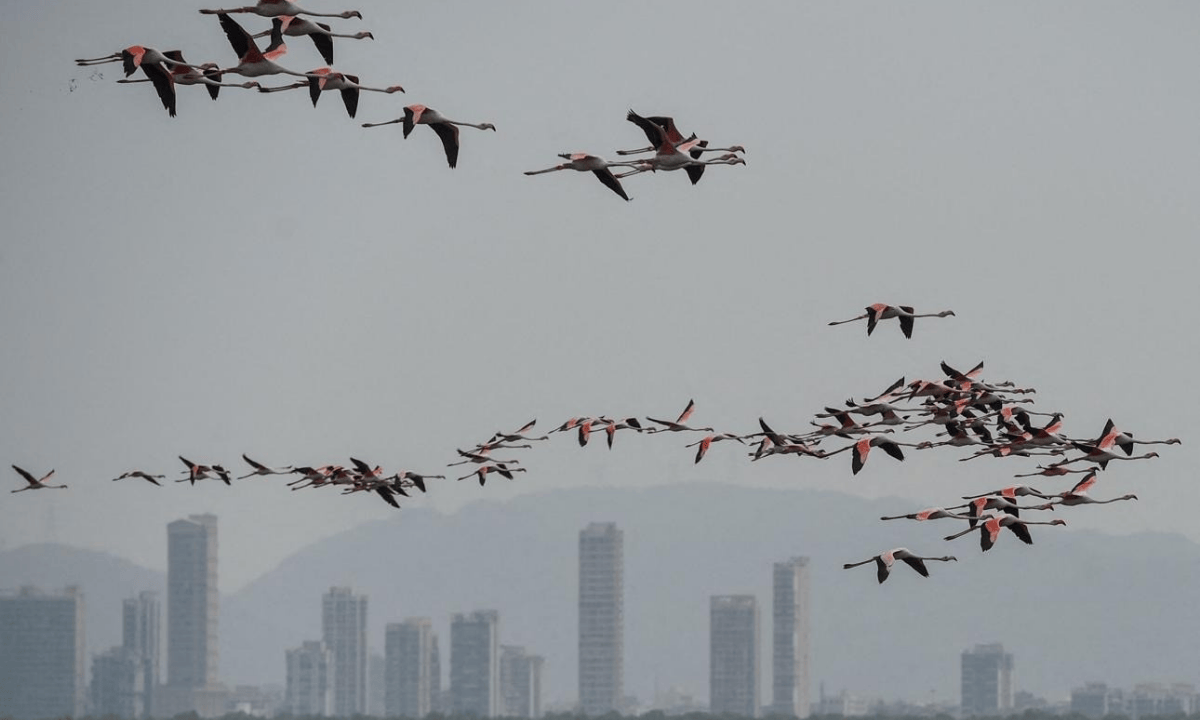
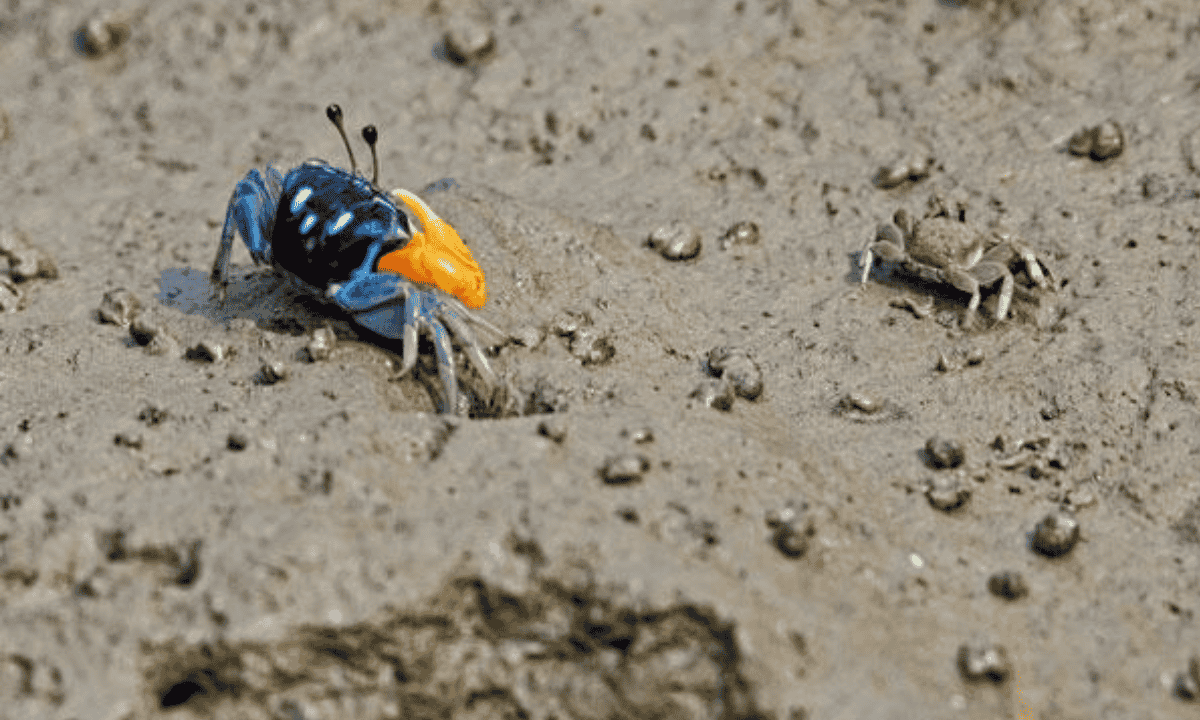
Mangroves are easy to overlook. They’re not manicured gardens or scenic hills; they’re dense, muddy and wild. But functionally, they are one of the most powerful ecosystems:
-
They act as natural barriers against flooding and coastal erosion
-
They absorb and store significant amounts of carbon
-
They support rich biodiversity, from birds to marine life
-
They protect cities like Mumbai from climate-related risks
Projects like Gorai help bring this hidden value into public awareness. And once people understand it, their relationship with land begins to change.
Why This Resonates with FarmlandBazaar Philosophy
For those exploring farmland or countryside investments, the message from Gorai is highly relevant. At its core, this project reinforces a simple idea: the future of land is low-intervention, not over-development and raw exposure to nature.
We’re already seeing this shift in how people think about second homes and farmland:
-
A preference for open, natural landscapes over heavily constructed spaces
-
A desire for cleaner air, biodiversity and slower living
-
An understanding that land is not just an asset but a responsibility
Gorai mirrors this mindset within a city. It shows that even in high-density environments, people are drawn to spaces that feel untouched and real.
For farmland buyers, this is a strong signal. The value of land is no longer just in what you can build on it but in what you choose to preserve. And When we respect the land, it gives back far more than we can build on it.
Written by Farmland Bazaar Team
Agricultural assets advisor contributing to Farmland Bazaar v2. Focusing on organic investments, soil analysis reports, and deed checks.