
Padma Awards 2025: Celebrating Pioneers in Agriculture and Their Contributions
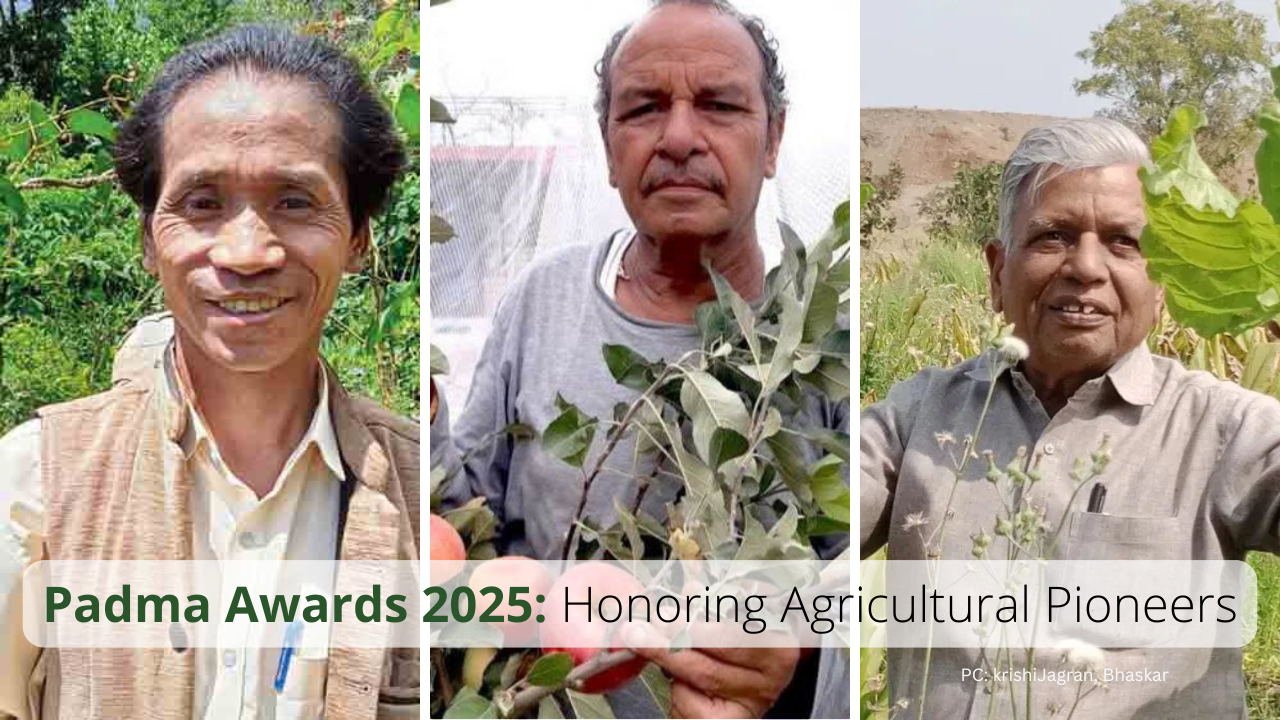
The Padma Awards, India's highest civilian honors, recognize the exceptional contributions of individuals across various fields, including social work, arts, literature, science, public affairs, and agriculture. Announced annually on the eve of Republic Day, these awards highlight individuals whose work has significantly impacted their respective domains. The Padma Awards for 2025 saw the announcement of 139 recipients, including 7 Padma Vibhushan, 19 Padma Bhushan, and 113 Padma Shri awards. Among the distinguished Padma Shri awardees, three agricultural pioneers have been honored for their groundbreaking work in transforming agriculture in India.
These three awardees—Hariman Sharma from Himachal Pradesh, L. Hangthing from Nagaland, and Subhash Khetulal Sharma from Maharashtra—have revolutionized farming practices and contributed to the betterment of farming communities through their innovation, perseverance, and dedication. Their contributions serve as an inspiration to farmers and agriculture enthusiasts across the nation.
The Importance of the Padma Awards in Agriculture
Agriculture is the backbone of India’s economy, and with the ever-growing challenges of climate change, population pressure, and evolving farming practices, it is critical that innovative solutions are found to ensure the sector’s sustainability. The Padma Awards in agriculture not only honor individuals who have made exceptional strides in improving farming techniques, but also bring attention to the vital role agriculture plays in improving the livelihoods of millions of farmers and ensuring food security.
By recognizing outstanding agriculturalists, the Padma Awards help foster innovation, encourage sustainable farming practices, and highlight the critical role of farmers in driving the nation’s economic growth.
Hariman Sharma: A Visionary Apple Farmer from Himachal Pradesh
Source: pib.gov
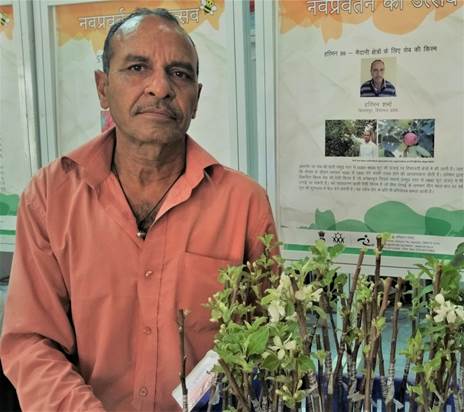
Hariman Sharma from the village of Gllasin, Himachal Pradesh, is a pioneer who transformed apple farming in India. Born on April 4, 1956, Hariman’s life was marked by early hardships, including the loss of his mother when he was just three days old. Raised by his adoptive father, Sh. Ridku Ram, in Panyala village, Hariman worked on his family farm and developed a deep understanding of agricultural practices. Despite the challenges, he dreamed of innovating in the agricultural sector.
In 1992, when a devastating frost wiped out mango trees in his region, Hariman decided to experiment with apple cultivation—a fruit traditionally grown in high-altitude, cooler regions. Skeptical of his efforts, many people in his community doubted his chances of success. However, Hariman’s relentless determination led him to experiment with grafting and apple sapling trials.
In 2007, Hariman succeeded in developing the HRMN-99 apple variety, which could endure high summer temperatures reaching 40°C to 45°C—conditions previously unsuitable for apple farming. This variety, which can be grown at just 700 meters above sea level, has revolutionized apple cultivation in India. It is now widely grown across all 29 states in India and internationally in countries such as Bangladesh, Nepal, and Germany.
For his groundbreaking work, Hariman Sharma has been honored with numerous accolades, including the National Innovative Farmer Award and the prestigious Grassroots Innovation Award from former President Pranab Mukherjee. Through his efforts, he has helped plant over 100,000 HRMN-99 saplings in Himachal Pradesh, training local farmers on how to benefit from this innovative apple variety.
L. Hangthing: Fruitman from Nagaland cultivating non native fruits
Source: The Better India
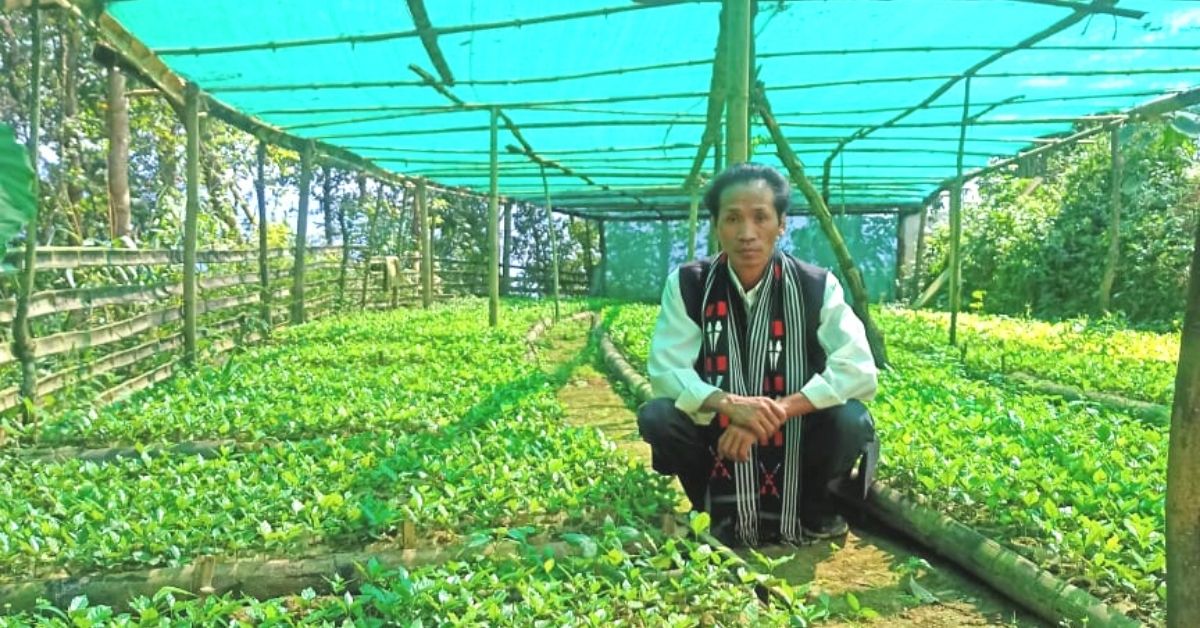
L Hangthing, a 58-year-old farmer from the remote Noklak village in Nagaland, is a testament to the power of innovation, perseverance, and a vision to empower others. Thirty years ago, Hangthing began his journey by collecting discarded fruit seeds from local markets and planting them in his nursery. At first, people thought he was crazy. But Hangthing, known as the "Fruit Man" in his community, proved them wrong by transforming not only his life but the lives of hundreds of farmers in the region.
Born into a poor farming family, Hangthing grew up battling poverty, often struggling to even get two square meals a day. His determination to overcome his circumstances led him to set up a nursery in 1987. He started with locally available fruits and vegetables, but soon, his ambition grew. He introduced fruits like oranges, kiwi, and litchi, along with vegetables such as potatoes and cardamom. Despite initial skepticism, Hangthing’s vision began to take root.
Today, Hangthing’s 40-acre nursery is a beacon of hope for over 200 families in the Noklak district. His efforts have not only boosted the local economy but have also empowered farmers to diversify their crops and increase their incomes. Many villagers now grow litchi, which was once foreign to the region, and even cultivate potatoes, inspired by Hangthing’s example.
Hangthing’s work extends beyond just farming. He regularly visits over 40 villages to share his knowledge and teach locals sustainable farming practices. “I want people to not buy something they can grow,” says Hangthing, emphasizing his desire to help others become self-sufficient.
His tireless work has earned him recognition from both the local administration and neighboring regions. His story is a powerful example of how one person’s determination can transform an entire community, creating opportunities for growth, empowerment, and a better future for all.
Subhash Khetulal Sharma: A Champion of Sustainable Farming
Source: Facebook
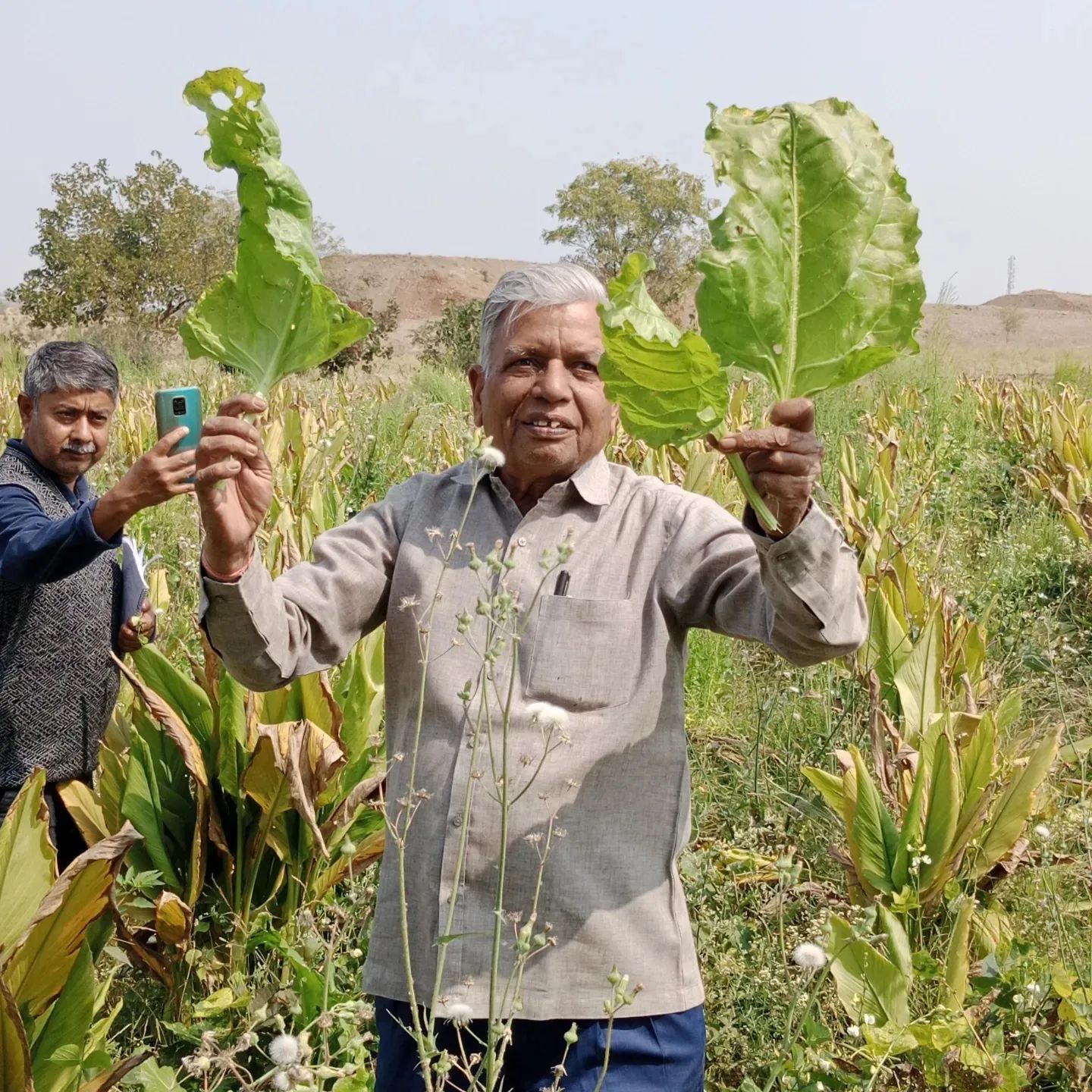
Subhash Khetulal Sharma, a pioneering advocate for organic agriculture, has spent decades championing sustainable farming practices in Maharashtra. Recognized as a ‘smart farmer’ and honored with multiple national awards, Sharma’s journey in agriculture took a transformative turn in 1994 when he decided to abandon chemical farming after witnessing a significant decline in crop yields.
Determined to find a better way, Sharma turned to organic farming, advocating for eco-friendly practices that rejuvenated the soil and boosted productivity. He introduced methods such as using cow dung and jaggery as natural fertilizers, which helped restore soil fertility without harming the environment. Additionally, Sharma promoted rainwater harvesting to help farmers conserve water, especially in drought-prone areas.
Through workshops, seminars, and personal guidance, Sharma has educated farmers about the benefits of organic farming. His efforts have empowered many to move away from harmful chemicals and embrace more sustainable techniques. These methods have not only improved crop yields but also ensured long-term soil health, benefiting both farmers and the environment.
Sharma’s work has made a lasting impact, with countless villages across Maharashtra adopting organic farming practices. Farmers who once struggled with the adverse effects of chemical farming are now seeing improved results using natural fertilizers and water conservation techniques. His approach has set a new standard for environmentally conscious farming and demonstrated that sustainability can go hand in hand with agricultural success.
Subhash Khetulal Sharma continues to inspire the farming community, proving that with dedication and innovation, sustainable farming practices can revitalize agriculture, improve livelihoods, and protect the planet for future generations.
Conclusion
The Padma Shri awards conferred upon Hariman Sharma, L. Hangthing, and Subhash Khetulal Sharma are a testament to their outstanding contributions to the field of agriculture. Through their innovation, dedication, and tireless work, these agricultural pioneers have not only transformed farming practices in their regions but have also inspired farmers across India to embrace new techniques that promise a sustainable and profitable future. As India continues to face the challenges of a changing climate and increasing food demands, the work of these remarkable individuals serves as a beacon of hope for the future of agriculture in the country.
Written by Farmland Bazaar Team
Agricultural assets advisor contributing to Farmland Bazaar v2. Focusing on organic investments, soil analysis reports, and deed checks.