
Meet Parima Muduli: The Tribal Farmer from Odisha Who Cultivated a Multi-Tiered Fortune from Soil and Seed
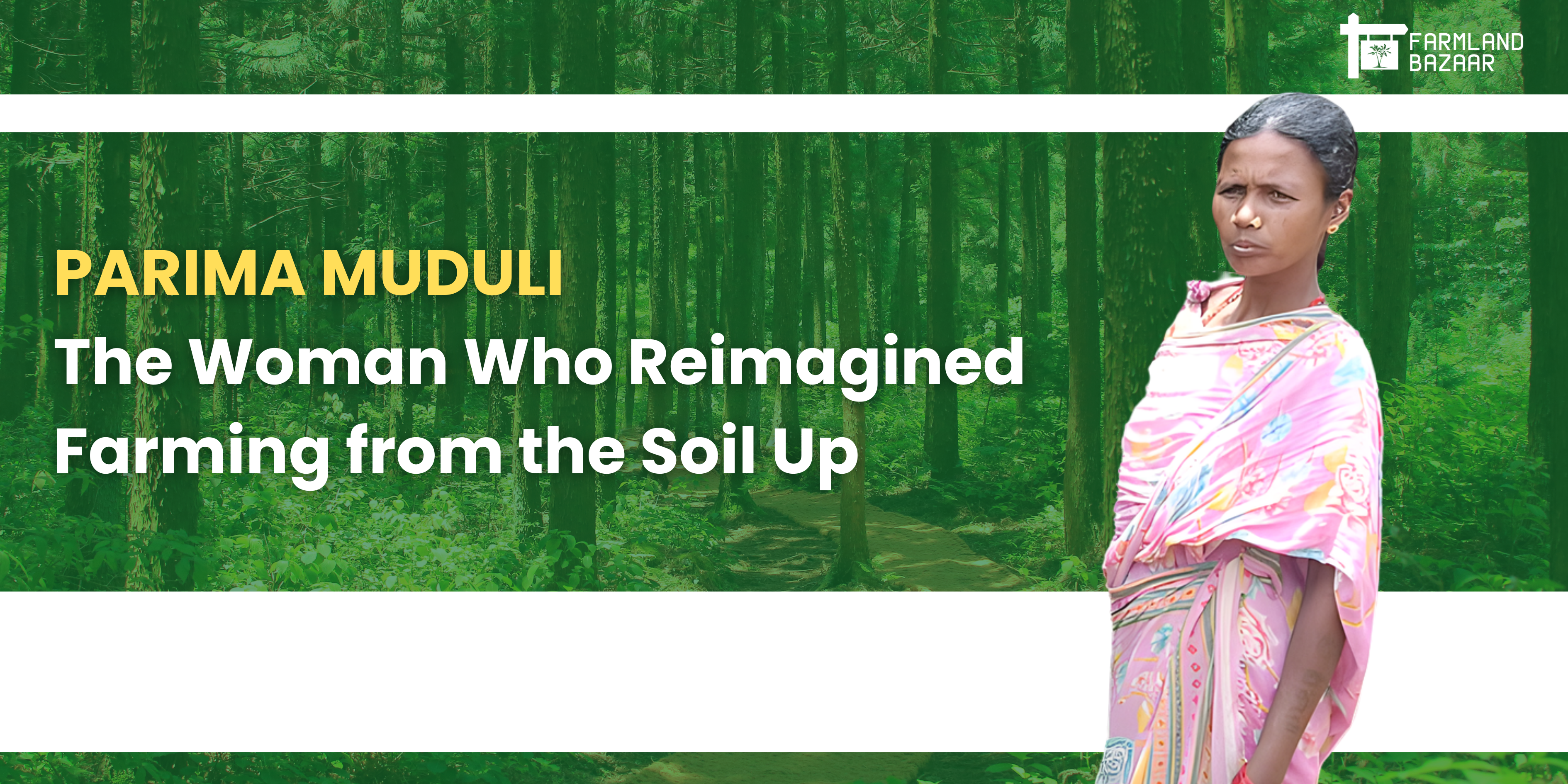
In the rainfed farmlands of Koraput, Odisha, where climate change is a constant threat and financial strain a daily reality, 39-year-old Parima Muduli didn't just adapt—she mastered a system. A Paraja tribal woman from Kurmakote village, Parima has transformed her modest 3-acre plot into a thriving, self-sustaining model of regenerative agriculture, demonstrating that the future of farming is not in expensive chemicals, but in the wisdom of the past.
Her farm is more than just a source of food; it’s a living blueprint for ecological balance, a financial security system, and a vibrant training ground that is now redefining women’s leadership across tribal communities. Parima’s journey is a powerful rejection of conventional monoculture and a bold step toward a "Green Evolution."
Chapter 1: The Alchemy of the Soil: Mastering Bio-Inputs
For Parima, the farm’s success begins beneath the surface. She lives by the mantra, "Soil is the very basis of life." This conviction led her to reject costly, detrimental chemical fertilizers and pesticides. Instead, she became an expert in bio-inputs, concocting her own potent, organic soil treatments right on-site.
Her farm now houses a sophisticated Bio-Resource Centre (BRC), capable of producing up to 500 liters of these specialized mixtures. She meticulously prepares traditional recipes like:
-
Bijamruta: Used for seed treatment, it protects new seeds and seedlings from soil-borne and seed-borne pathogens right from the start.
-
Jimamruta & Ghanajibamruta: Dynamic fermentations of cow dung, cow urine, jaggery, and pulses that act as powerful microbial enhancers, boosting soil biology and nutrient availability.
-
Neemastra & Handikhata: Natural pest repellents and liquid fertilizers derived from local botanicals like neem and arakha (Giant Milkweed, Calotropis gigantea), which allow her to effectively manage pests without relying on synthetic sprays.
By utilizing local resources like cattle waste and tree leaves (karanja or Indian Beech, Millettia pinnata), Parima has dramatically slashed her operating costs while simultaneously enhancing the land's long-term health. The surplus high-quality vermicompost she produces is sold to neighbors, generating an additional income stream and spreading the organic gospel.
Chapter 2: Agrobiodiversity: Taste, Nutrition, and Resilience
Parima’s genius is most visible in the diversity of her fields. Her farm is not dedicated to a single cash crop but to a complex, interlinked ecosystem of vegetables, tubers, pulses, and cereals, making it incredibly resilient against sudden weather shifts or crop diseases.
She functions as a dedicated seed conservationist, carefully tending to and preserving over 12 native vegetable varieties, like the unique anca lau (a bottle gourd variety) and choto kumda (small pumpkin). Parima stresses that these native crops are inherently tasty and nutritious, requiring fewer inputs compared to the disease-prone hybrid seeds. After each harvest, she ensures seed self-sufficiency by meticulously selecting and storing the best mature seeds in traditional earthen pots layered with dry neem and nirguni (Vitex negundo) leaves—a time-honored, eco-friendly preservation method.
Chapter 3: The Integrated Farm Economy: From Waste to Wealth
Parima’s integrated farming model is a lesson in maximizing every resource. Her system is designed to provide income and nutrition on a near year-round basis, offering a robust financial cushion against the seasonality of grain crops.
-
High-Value Sales: Last year, her diversified cultivation of items like brinjal, maize, cowpea, and leafy greens brought in a substantial income of approximately ₹80,000 from market sales alone.
-
Poultry as the Living ATM: Parima rears approximately 50 native (desi) chickens. These birds are not just a protein source; they are a working part of the farm. They forage for insects, helping with natural pest control, and their manure constantly enriches the soil—a double benefit. Parima aptly calls them her "ATM card," as selling surplus eggs and chickens provides quick, liquid cash when needed, netting an additional ₹15,000 to ₹20,000 annually.
-
Mushroom Cycle: Nothing is wasted. She utilizes paddy straw, a common agricultural residue, to cultivate around 100 kg of delicious oyster mushrooms during the monsoon and winter. The residual spent compost is then returned directly to the fields, completing a perfect closed-loop nutrient cycle.
Furthermore, she has planted over 50 permanent horticultural trees—including mango, drumstick, and papaya—alongside her row crops in an intercropping system. This multi-tiered landscape, sustained by a strategically located water dugout, ensures year-round productivity, crucial food security, and long-term financial stability for her family and her son, who is now in Class 10.
Chapter 4: The Voice of the Green Revolution
Parima’s true legacy is her role as a teacher and mentor. Recognizing her success, local non-profits and technical partners like the Watershed Support Services and Activities Network (WASSAN) supported her to complete a Training of Trainers (ToT) program. She is now the Master Trainer of the Khadia Thakura Farmer Field School (FFS).
Her 3-acre farm has become a living classroom, where she regularly mentors dozens of small-scale farmers, especially women, on ecological techniques. Her guidance helps to reclaim the traditional, deep knowledge of seeds and crops that women historically held, empowering them to become visible, influential agents of change in their communities.
“I am proud of my wife. Her leadership has inspired many farmers in our village to shift toward an agroecological model,” says her husband, Madhu Muduli.
Parima Muduli's dedicated work, supported by the Green Evolution Programme, stands as a powerful example for the over 104 million tribal people in India. It underscores that by embracing nature-based solutions and indigenous knowledge, small-scale farmers can successfully build climate-resilient and regenerative food systems, securing both their future and the health of the land.
Written by Farmland Bazaar Team
Agricultural assets advisor contributing to Farmland Bazaar v2. Focusing on organic investments, soil analysis reports, and deed checks.