
PM Modi Calls for Speedy Implementation of Agriculture Budget, Focus on Action
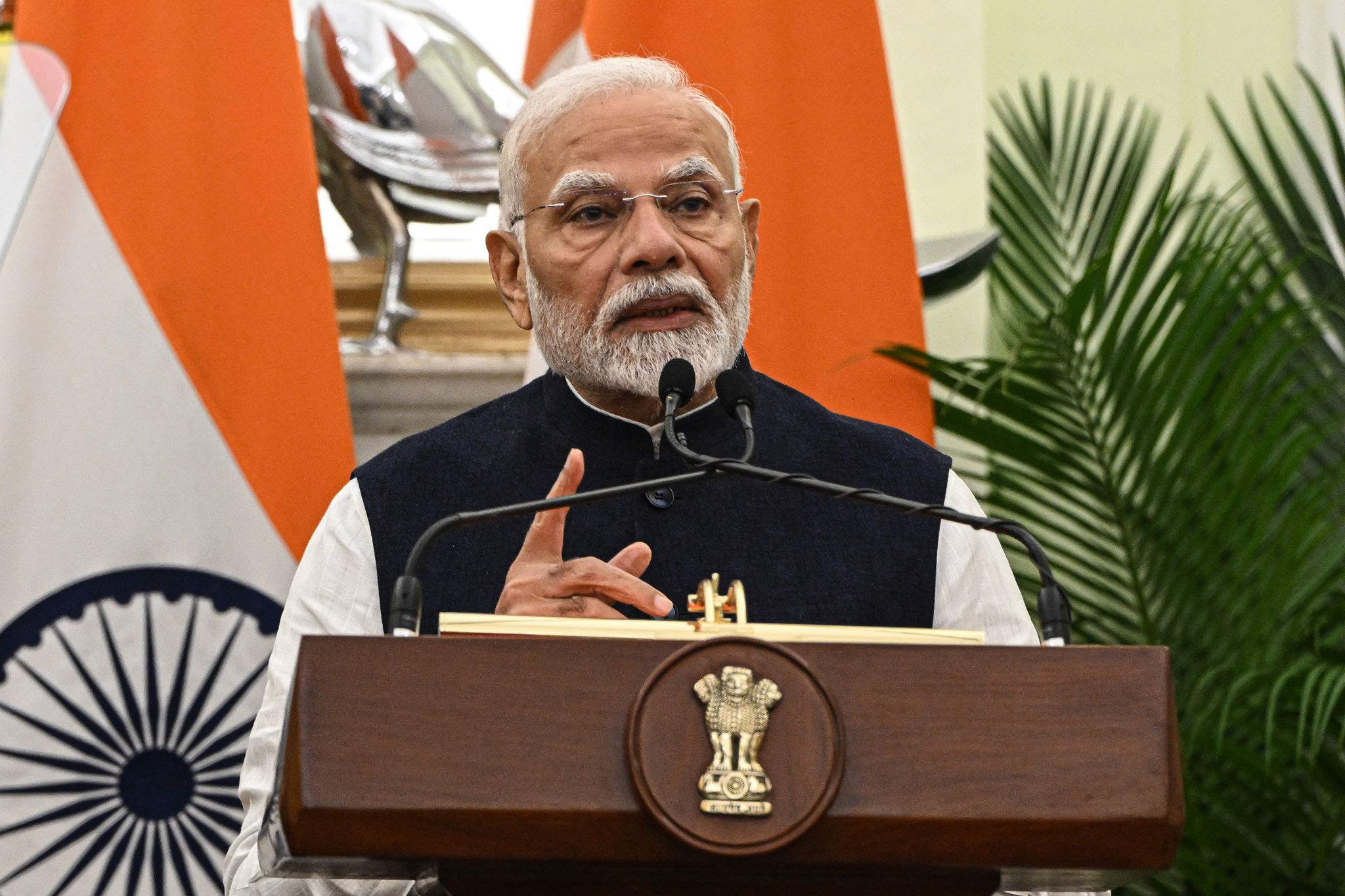
Prime Minister Narendra Modi has emphasized the need for quick and effective implementation of this year’s agriculture and rural development budget. Speaking at a post-budget webinar on ‘Agriculture and Rural Prosperity’ on March 1, 2025, he urged all stakeholders—including government officials, policymakers, and farmers—to focus on taking action rather than discussing new proposals.
He highlighted that this budget reflects the government’s long-term vision of a ‘Viksit Bharat’ (Developed India) and ensures a consistent approach to agricultural policies in the government's third term.
“The budget has been formed, and now our entire focus should be on execution. We must identify obstacles and shortcomings in implementation to ensure smooth progress,” he stated.
Agriculture as a Key Growth Engine
The Prime Minister reaffirmed that agriculture is one of the strongest drivers of India’s economic growth. The government is working towards a dual objective—increasing agricultural productivity while also ensuring rural prosperity.
He highlighted that India’s foodgrain production has significantly increased over the last decade, growing from 265 million tonnes to over 330 million tonnes. Similarly, horticulture production has surpassed 350 million tonnes, demonstrating strong growth in the farming sector.
“We must fully explore our agricultural potential and set new milestones,” he said.
Major Initiatives for Farmers in the Budget
The government has introduced several initiatives to boost agricultural growth and support farmers. Some key programs include:
1. PM Dhan Dhanya Krishi Yojana
This scheme aims to increase crop yields in 100 low-productivity districts across India. The initiative follows the successful ‘Aspirational Districts Model’, which improved development indicators in underdeveloped regions.
2. Makhana Board in Bihar
Recognizing Bihar’s significance in makhana (fox nut) cultivation, the government has announced the formation of a dedicated Makhana Board. This board will promote better marketing, processing, and export opportunities for makhana farmers.
3. Developing High-Yielding Crop Varieties
Between 2014 and 2024, the Indian Council of Agricultural Research (ICAR) developed over 2,900 new crop varieties, including foodgrains, pulses, and sugarcane. These improved varieties are designed to increase productivity and help farmers withstand climate change impacts.
“It is essential that these high-yielding varieties are made affordable and accessible to all farmers,” Modi emphasized.
4. National Mission on High-Yielding Seeds
To increase farm output, the government has launched a central mission for high-yielding seeds. The private sector is encouraged to participate in the seed supply chain, ensuring that small farmers can benefit from these advanced seeds.
5. Boosting Pulses Production to Reduce Imports
Although India has become self-sufficient in chickpeas (chana) and moong dal, the country still imports around 20% of its total pulses consumption, especially tur, urad, and masoor dals.
The government is now focusing on increasing production of these pulses using high-yielding and hybrid varieties to reduce dependence on imports.
Direct Financial Support for Farmers
The PM-KISAN scheme has played a crucial role in providing direct financial assistance to farmers. Under this program:
₹3.75 lakh crore has been directly transferred to over 11 crore farmers since its launch six years ago.
Farmers receive ₹6,000 annually to support their agricultural activities and household needs.
The scheme is fully digitalized, ensuring no middlemen or corruption in fund transfers.
“Through digital infrastructure, we have eliminated leakages and ensured that every rupee reaches farmers directly,” Modi said.
Strengthening the Fisheries Sector
The fisheries sector has been another focus area in the government’s agricultural development strategy.
1. PM Matsya Sampada Yojana
Launched in 2019, this scheme aimed at:
-
Strengthening the fisheries value chain
-
Improving modern infrastructure
-
Enhancing productivity and post-harvest management
The results have been impressive:
-
Fish production and exports have doubled in just a few years.
-
The sector has seen increased investment and modernization efforts.
The government is now working on a sustainable fisheries framework, focusing on:
-
Harnessing deep-sea fisheries in the Indian Exclusive Economic Zone (EEZ) and high seas.
-
Simplifying regulations to make the fisheries business easier while protecting traditional fishermen’s interests.
“We must make fisheries more profitable while ensuring sustainability for future generations,” Modi urged.
Empowering Rural Communities
The government is also investing in rural infrastructure and employment programs to improve the lives of villagers, small businesses, and women entrepreneurs.
-
PM Awas Yojana-Gramin
-
Swamitva Yojana
-
Pradhan Mantri Gram Sadak Yojana
The Pradhan Mantri Gram Sadak Yojana (PMGSY), or the Prime Minister's Village Road Scheme, is a nationwide initiative aimed at providing all-weather road connectivity to unconnected villages in India. This program has significantly improved rural infrastructure, benefiting:
- Small farmers by enhancing access to markets.
- Rural businesses by facilitating trade and transportation.
-
‘Lakhpati Didi’ Initiative – Empowering Women Entrepreneurs
The government has a goal to create three crore ‘Lakhpati Didis’—women earning ₹1 lakh or more per year through small businesses and self-help groups.So far, 1.25 crore women have achieved this milestone through government-backed training and financial support.
“Investing in women-led businesses creates more job opportunities and strengthens the rural economy,” Modi stated.
Final Call for Action
PM Modi urged all stakeholders—government officials, business leaders, farmers, and entrepreneurs—to actively implement the budget’s initiatives without delays. He stressed that:
-
Obstacles in implementation should be identified and removed.
-
Investments in skills and technology will create more rural employment.
-
A well-executed budget will help India achieve its vision of ‘Viksit Bharat’.
“Our government is fully committed to enriching the rural economy. Together, we must ensure that no farmer is left behind,” he concluded.
The 2025 Agriculture Budget is designed to increase farm productivity, improve rural infrastructure, support small farmers, and empower rural communities. With strong execution and collaboration from all stakeholders, India can achieve sustainable growth in agriculture and rural development—bringing prosperity to farmers and rural households.
A developed India starts with a strong and thriving rural economy!
Written by Farmland Bazaar Team
Agricultural assets advisor contributing to Farmland Bazaar v2. Focusing on organic investments, soil analysis reports, and deed checks.