
The Breath of the Ganga: Why Conscious Land Stewardship is the Only Way Forward
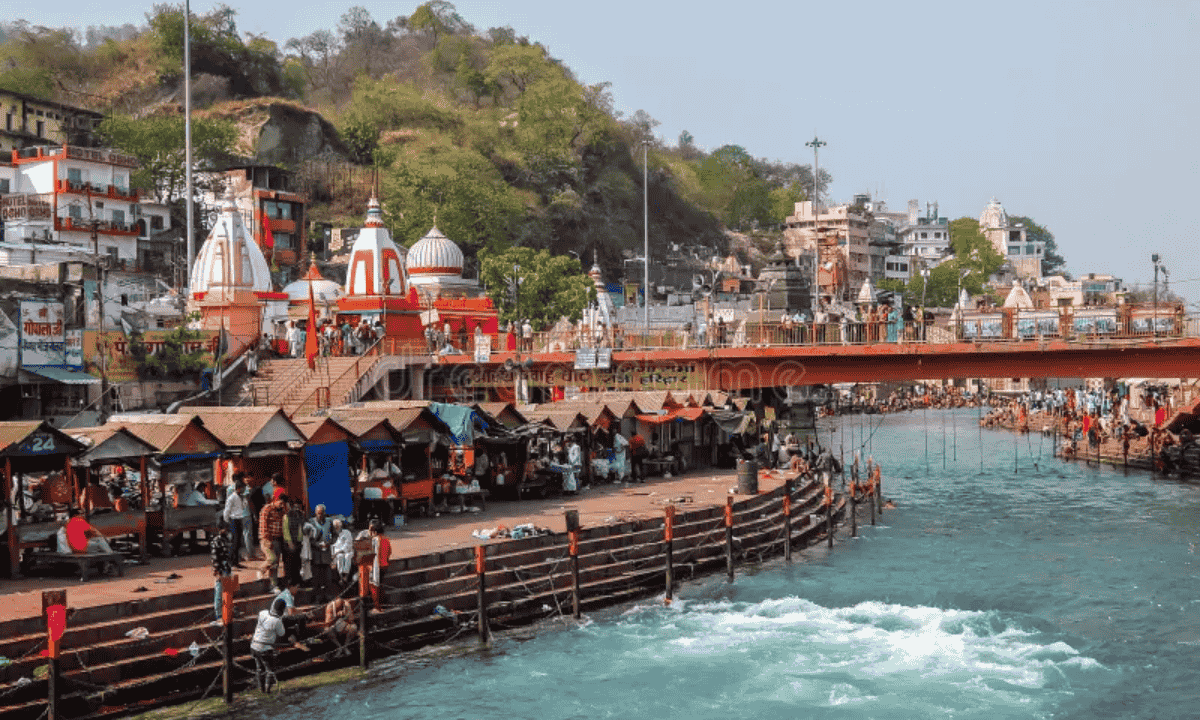
The Ganga is not just a river; it is the lifeblood of our civilization. For millions of years, its banks have been a sanctuary for those seeking peace, health and a connection to the earth. But today, a silent crisis is unfolding in Haridwar that serves as a vital wake-up call for every landowner in India. Recent reports reveal that unplanned, unauthorized colonies are emerging along the river’s edge, discharging untreated waste directly into its sacred waters.
This is a moment of truth for all of us who value the land. It forces us to ask: Are we owners of the earth, or are we its protectors?
I. A Crisis of Connection: When Land Forgets the Water
In the rush to find a piece of the Ganga-side dream, many have overlooked the most important rule of nature: the land and the water are one. When land is carved into plots without a thought for sewage, drainage, or ecological impact, the result is a direct wound to the river.
In Haridwar, the absence of planned infrastructure in these settlements means that everyday domestic waste has nowhere to go but into the Ganga. According to civic authorities, these developments lack the basic systems required to treat water. This isn't just a city problem, it is a failure of land stewardship. When we develop land without a plan, we break the Natural Cycle. In a healthy forest or a well-managed farm, the soil acts as a filter. In an unplanned colony, that filter is replaced by concrete and open drains.
II. The Ripple Effect: From Haridwar to the Dinner Plate
The impact of pollution in a place like Haridwar is not local; it is national. Did you know that the Ganga basin supports nearly 400 million people? This vast ecosystem is the backbone of India’s agriculture and our collective food security.
When the river is polluted at a primary source like Haridwar, the consequences flow downstream to millions of acres of farmland.
-
The Threat to Food Security: Farmers downstream rely on this water for their crops. When they irrigate with contaminated water, it affects the health of the soil and the quality of the food we eventually eat.
-
The "Fecal Coliform" Crisis: In several stretches of the Ganga, the levels of fecal coliform, a clear indicator of human waste, are many times higher than the safe limit. This is a direct result of unplanned settlements where toilets are not connected to a sewage network.
-
A Threat to Health: This isn't just dirty water; it is a carrier of disease and a long-term threat to our public health. What happens in a small colony in Haridwar eventually impacts the health of a child eating a meal in a city hundreds of miles away.
III. Land is a Living Trust, Not Just an Asset
Owning land near a river like the Ganga is a privilege that comes with a heavy duty. We must stop viewing land as a static asset and start seeing it as a living trust.
-
Natural Buffers: A healthy riverbank is a bio-hotspot. It is home to birds, beneficial insects, and medicinal plants that keep the surrounding agricultural land fertile.
-
The Stewardship Model: At FarmlandBazaar, we believe that any development that poisons the water is a failure. Responsible land ownership means ensuring that not a single drop of untreated waste leaves your property.
IV. The Awakening: Choosing Regenerative Growth
This crisis in Haridwar is a turning point. It is time to move away from extractive land use where we take from the land without giving back and move toward Regenerative Living. This means that as land seekers and investors, we must demand more from the projects we support.
A truly environment-conscious development doesn't just offer a view; it offers a vision:
-
Zero-Discharge Infrastructure: Sustainable developments must incorporate bio-digesters and natural root-zone treatment systems. Waste should never touch the river; it should be treated on-site and reused to nourish local greenery.
-
Riparian Buffer Zones: We must respect no-construction zones along the water. By leaving the riverbanks green, we allow nature to protect itself from erosion and pollution.
-
Harvesting the Rain: Instead of letting water run off and cause erosion, we should catch the rain and recharge the groundwater, ensuring the river stays fed during the dry months.
V. A Call to Action for the New Landowner
The Ganga side should be the gold standard for ecological living in India. As we see a rise in interest for farmhouses and managed farmlands, we have a unique opportunity to set a new example.
By choosing to invest in lands that prioritize environmental balance over short-term shortcuts, we are voting for the health of our rivers and our farmers. We are ensuring that the Ganga remains a source of life for the generations that come after us.
The situation in Haridwar is a reminder that the land is watching us. The river is listening. Our choices today will determine whether these sacred banks remain a place of healing or become a cautionary tale of neglect. Let us choose to be the generation that healed the land, for in its health lies our own.
The Bottom Line: Real value isn't found in a plot of land; it is found in the life that land sustains. Let’s build a future where our homes are as pure as the river they overlook.
Written by Farmland Bazaar Team
Agricultural assets advisor contributing to Farmland Bazaar v2. Focusing on organic investments, soil analysis reports, and deed checks.