
How to Create a Vertical Garden in Your Balcony Using Waste Plastic Containers
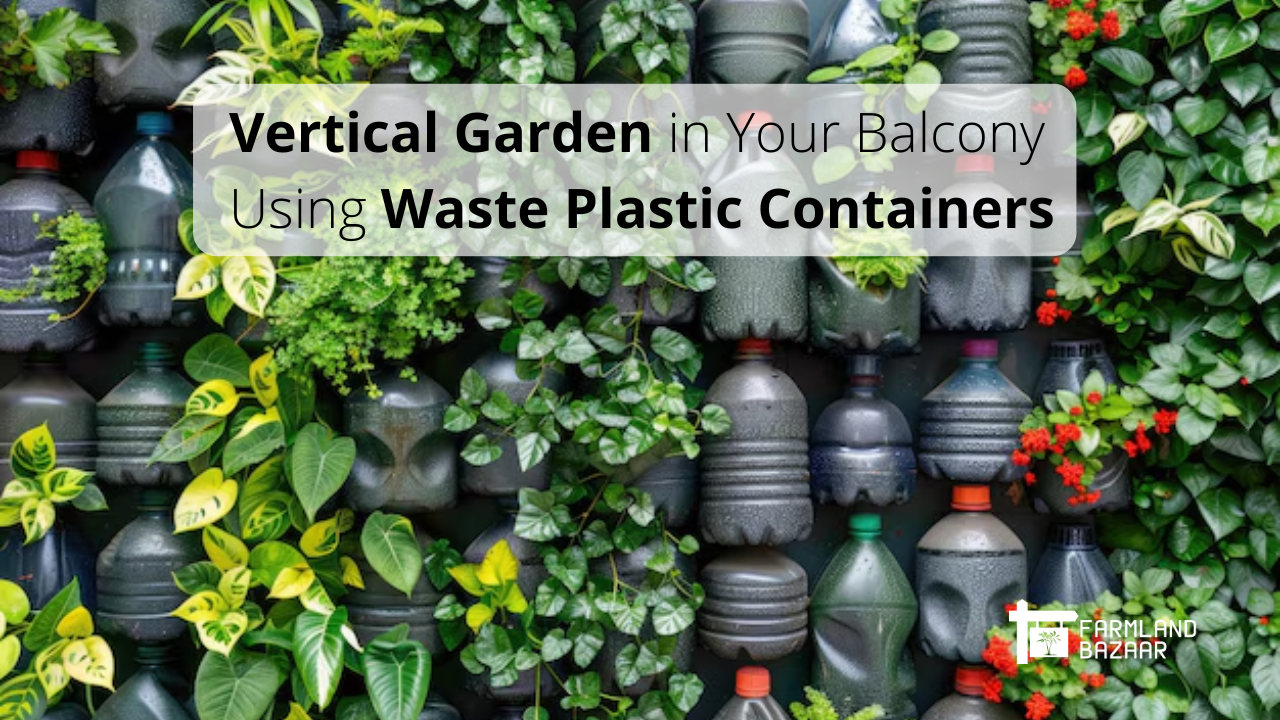
As urban homes continue to shrink and interest in organic farming ideas for small space gardening grows, balcony gardens are becoming a smart and sustainable solution. A vertical garden made from waste plastic containers is an excellent way to grow plants in limited areas while promoting recycling and eco-friendly living. This type of balcony garden not only adds natural beauty to your home but also allows you to practise organic farming, even in a small space.
1. Collect, Clean and Prepare Waste Plastic Containers Properly
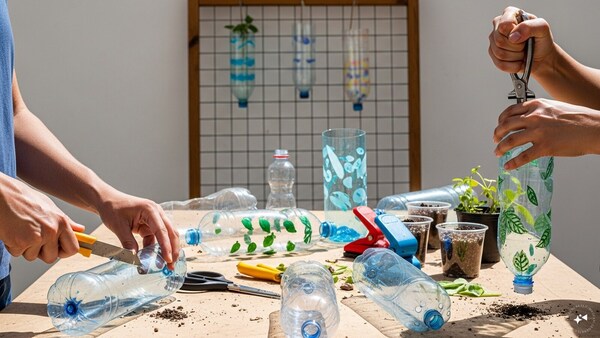
Begin by collecting used plastic bottles, cans or containers such as water bottles, cooking oil cans or detergent bottles. Choose containers that are strong and not easily breakable. Wash them thoroughly with water to remove any remaining liquid or chemical residue.
Next, cut a rectangular or round opening on one side of the container. This opening will be used to place soil and plants. Make small holes at the bottom of each container. These drainage holes are very important as they allow extra water to flow out, preventing the roots from staying wet for too long, which can harm the plants.
2. Select the Right Balcony Wall or Railing for Sunlight and Safety

Look around your balcony and identify a wall or railing that receives sunlight for at least four to six hours every day. Sunlight is essential for plant growth, especially for vegetables and herbs.
Ensure the wall or railing is strong enough to hold the weight of multiple containers filled with soil. South-facing or east-facing balconies usually receive good natural light and are ideal for a vertical garden. Also, make sure the area is safe and does not block movement or emergency exits.
3. Build a Strong and Secure Vertical Support System
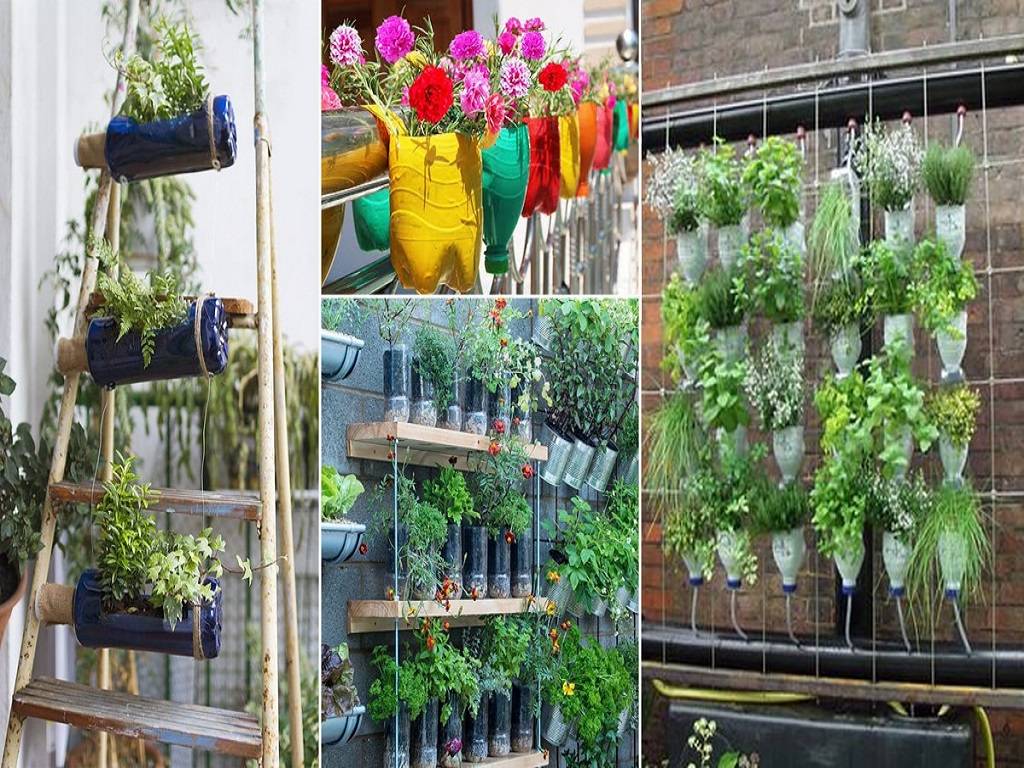
A vertical garden needs a proper support system to hold the containers safely. You can use strong ropes, metal wires, hooks, wooden frames or wall-mounted racks. Arrange the containers in vertical rows or patterns to save space and improve air circulation between plants.
Fix the support firmly to the wall or railing using screws or hooks. Make sure it does not shake or loosen easily. A secure structure protects the garden from falling during strong winds or rain and keeps your balcony garden neat and organised.
4. Prepare a Light, Healthy and Nutrient-Rich Soil Mix
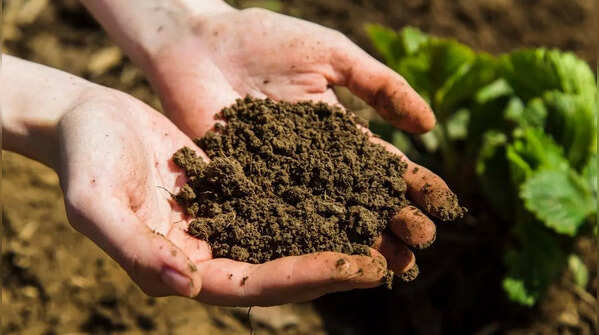
Good soil is the foundation of successful organic farming in a balcony garden. Use a light and well-drained soil mix that allows roots to breathe and grow freely. You can mix garden soil with organic compost and coco peat.
Compost provides essential nutrients to plants, while coco peat helps retain moisture without making the soil heavy. Avoid using only garden soil, as it can become compact and heavy in containers. A healthy soil mix supports strong root development and steady plant growth.
5. Choose Plants That Grow Well in Vertical and Small Spaces

Select plants that have shallow roots and do not require deep soil. Herbs such as mint, coriander, basil and parsley are excellent for vertical gardens. Leafy vegetables like spinach, lettuce, fenugreek and mustard greens also grow well in small containers.
You can add flowering plants like petunias, marigolds or pansies to bring colour and beauty to your balcony garden. Always consider the amount of sunlight available before choosing plants, as some need more light than others.
6. Plan Proper Watering and Drainage for Healthy Growth

Vertical gardens tend to dry out faster than ground gardens because the containers are exposed to air. Water the plants regularly using a spray bottle, watering can or a drip irrigation system. You can also make a simple drip system using recycled plastic bottles with small holes.
Make sure excess water drains out freely through the holes at the bottom. Proper drainage prevents water from collecting around the roots, which can cause fungal infections and root rot. Regular watering keeps the plants fresh and healthy.
7. Maintain and Monitor Your Vertical Garden Regularly

Regular care is important to keep your balcony garden healthy. Prune plants often, which means trimming extra or dry branches and leaves so the plant can grow better. Remove yellow or damaged leaves to keep the plant clean and disease-free.
Check plants regularly for pests, which are small insects that can damage leaves and stems. Rotate the containers occasionally so all plants receive equal sunlight. Use organic fertilisers every few weeks to support continuous and healthy growth.
By creating a vertical garden in your balcony, you take a small but meaningful step toward sustainable living. This method of small space gardening supports organic farming, reduces plastic waste and transforms unused balcony space into a green, relaxing, and productive area. Platforms like FarmlandBazaar, which actively promote organic farming, sustainability, and responsible land use, encourage greener choices in everyday life. From supporting eco-friendly farming practices to inspiring urban greenery, FarmlandBazaar believes that reconnecting people with nature, whether through farmland ownership or balcony gardens, plays a vital role in building a healthier and more sustainable future.
Written by Farmland Bazaar Team
Agricultural assets advisor contributing to Farmland Bazaar v2. Focusing on organic investments, soil analysis reports, and deed checks.