
Women’s Day Special: Honoring India’s Women Farmers and Their Legacy of Resilience
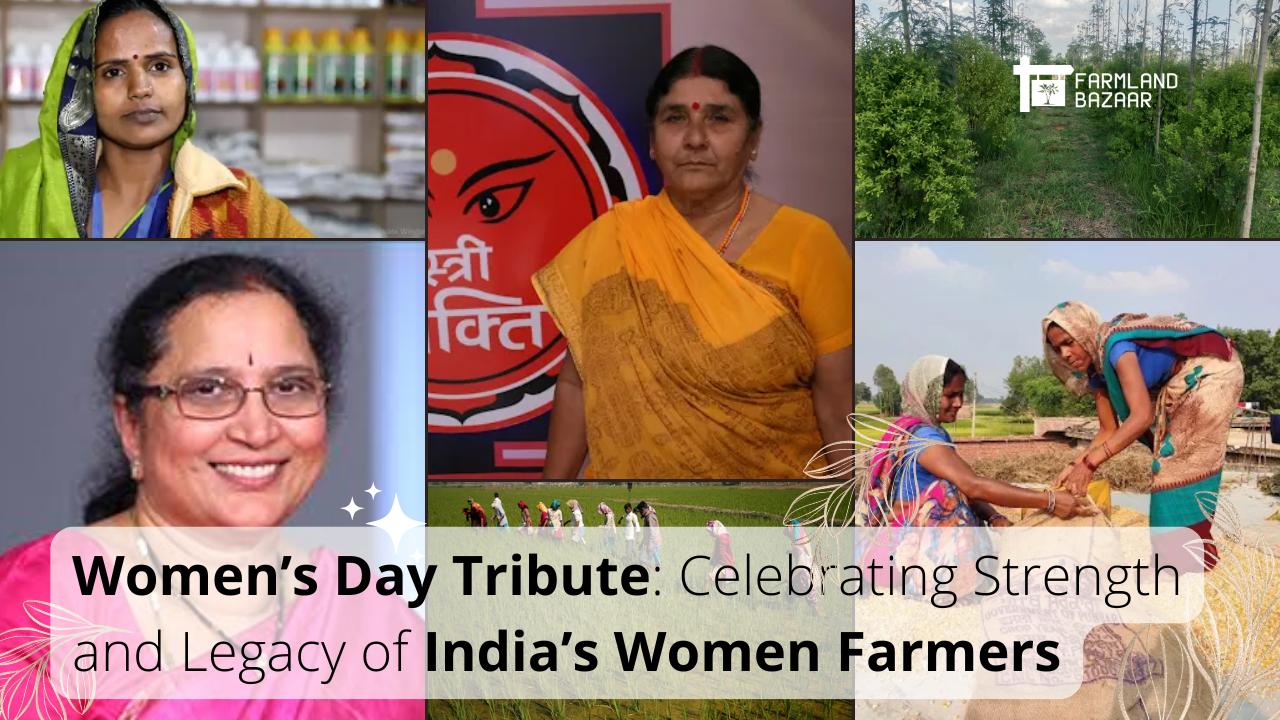
India’s agricultural landscape has long been shaped by the resilience and ingenuity of women farmers. From sowing seeds to managing livestock and innovating in sustainable farming, they have played an indispensable role in rural economies. Yet, despite their immense contributions, they often remain unrecognized, facing societal challenges, restricted land ownership, and limited access to resources.
This Women’s Day, we honor the extraordinary women who have defied these odds—leaders who have revolutionized farming, uplifted communities, and inspired future generations. These stories of perseverance and progress showcase the power of women in agriculture, proving that when given the right opportunities, they don’t just transform their own lives but the entire farming ecosystem.
1. Rajkumari Devi: The 'Kisan Chachi' of Bihar
Rajkumari Devi, affectionately known as 'Kisan Chachi,' hails from the Anandpur village in the Saraiya block of Muzaffarpur district, Bihar. Born into a financially constrained family, she faced early hardships that curtailed her education, leading to her marriage at the age of 15. Her initial years post-marriage were challenging, as she struggled with societal norms that restricted women's roles to household confines.
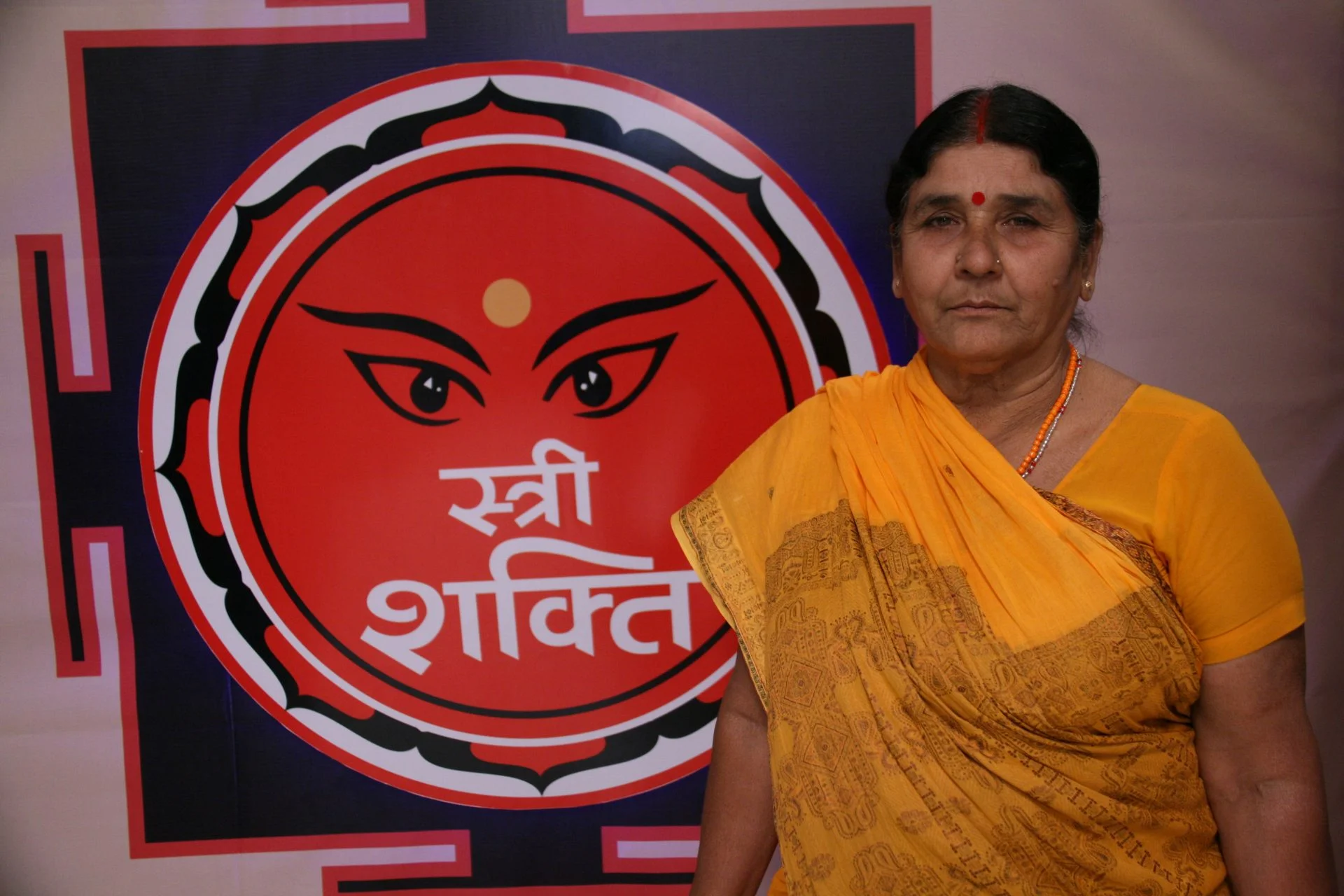
Image source: Feminism India
Determined to break these barriers, Rajkumari Devi ventured into agriculture in the 1990s. She adopted scientific farming techniques, moving away from traditional methods, which led to improved yields and quality produce. Recognizing the potential of value addition, she began producing pickles in 2000, branding them under 'Kisan Chachi.' Her products gained popularity, not just locally but across the country, symbolizing the success of rural entrepreneurship.
Beyond her entrepreneurial ventures, Rajkumari Devi focused on empowering other rural women. She established self-help groups (SHGs), training over 300 women in advanced farming practices and food processing. These initiatives provided women with sustainable livelihoods, fostering financial independence and challenging patriarchal norms.
Her relentless efforts did not go unnoticed. The Bihar government honored her with the 'Kisan Shri' award, and in 2019, she received the Padma Shri, India's fourth-highest civilian award, recognizing her invaluable contributions to agriculture and women's empowerment.
2. Bhavana Nilkanth Nikam: Pioneering Progressive Farming in Maharashtra
Bhavana Nilkanth Nikam, from Dabhadi village in Malegaon Taluka, Nashik district of Maharashtra, is a testament to the fusion of education and agriculture. Despite holding a bachelor's degree, she chose to dedicate herself to farming, challenging the conventional pursuit of white-collar jobs.
In 2016, Bhavana established a 2000 sq. m polyhouse, marking her foray into protected cultivation. She diversified into cultivating capsicum, grapes, and various vegetables, integrating modern techniques such as drip irrigation and organic farming. Her farm boasts a farm pond, shade net house, and is equipped with machinery like tractors and rotavators, reflecting a blend of traditional knowledge with modern technology.
Her innovative practices have transformed her into a role model for local women farmers. She actively shares her knowledge, encouraging others to adopt advanced farming techniques. Her contributions have been recognized through multiple accolades, including the 'Shivaji Maharaj Krushi Sanman Award' in 2019 and the 'Innovative Woman Farmer Award' in 2021.
3. Bajakiya Khan: Empowering Women Farmers in Uttar Pradesh
Bajakiya Khan, a smallholder farmer from Uttar Pradesh, has become a beacon of hope for women in agriculture. Coming from a region where women’s contributions to farming often go unrecognized, she faced multiple challenges, including limited landholding, lack of financial support, and restricted access to markets. To overcome these barriers, she joined a women-led Farmer Producer Organization (FPO), which gave her access to affordable farming supplies, modern techniques, and direct market linkages. This not only helped her improve crop yields but also reduced dependency on middlemen, ensuring better profits.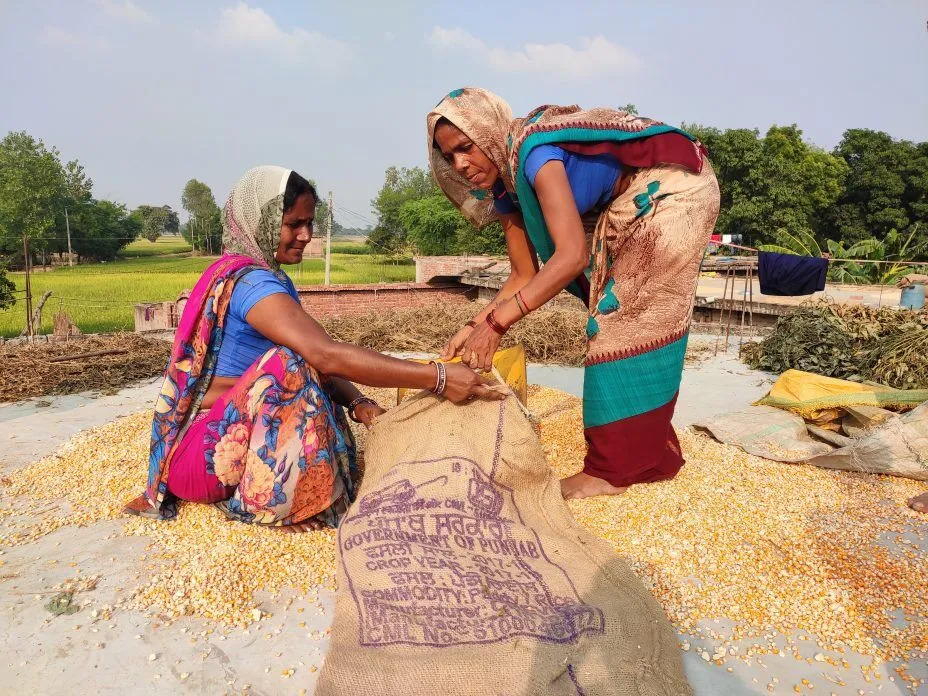
Image Source: Techno Serve
Determined to bring more women into organized farming, Bajakiya actively mobilized other small-scale women farmers to join the FPO. Through workshops and shared resources, she helped them adopt better agricultural practices, negotiate fair prices, and collectively purchase seeds and fertilizers at lower costs. Her efforts have led to improved incomes for many families and strengthened the economic role of women in rural Uttar Pradesh.
Today, Bajakiya is recognized for her leadership in promoting women’s participation in farming and challenging traditional gender roles. Under her guidance, the FPO has expanded its reach, empowering more women to become financially independent. Her journey stands as an inspiration, proving that collective action can transform the lives of small farmers and create lasting change in rural communities.
4. K. Rama Devi: Championing Natural Farming and Women's Rights in South India
Kanneganti Rama Devi is a strong advocate for natural farming and women's empowerment in South India. Growing up in Chevuturu village, Andhra Pradesh, she saw the harmful effects of chemical-based farming on soil and health. Determined to find a better way, she started natural farming on a small half-acre plot. Using organic methods like bio-fertilizers, crop rotation, and intercropping, she improved soil fertility and reduced costs. Her approach saved ₹7,000 per acre while increasing profits to ₹14,000 per acre. She also promoted a zero-waste approach by selling by-products like grass as cattle fodder.
Image source: Aicaleapwehub
Understanding the struggles of women in agriculture, Rama Devi formed self-help groups (SHGs) to help them access financial resources and training. At first, male farmers doubted her efforts, but as her methods proved successful, she gained recognition. She began conducting workshops on organic farming and climate-friendly practices, inspiring many to switch to sustainable methods.
Beyond farming, she founded the Association of Lady Entrepreneurs of India (ALEAP) in 1993 to support women in business. Under her leadership, ALEAP built an industrial estate for women entrepreneurs. She also served on the Prime Minister’s Task Force on MSMEs, influencing policies for women-led enterprises. In 2024, she was honored with the UBUNTU Star Award for Lifetime Achievement. Through her dedication, Rama Devi has transformed both farming and entrepreneurship, proving that sustainability and women's leadership are key to India’s agricultural future.
5. Prema Devi: Leading Women Farmers to Prosperity
Prema Devi, a smallholder farmer from Uttar Pradesh, defied gender norms to uplift her community through farming. Born and raised in a region where women had minimal participation in agriculture beyond household labor, Prema struggled to make ends meet on her family’s 1.5-acre farm. Like many farmers in her area, she had little bargaining power and had to rely on middlemen who offered low prices for her produce. The lack of proper market access, transportation, and financial resources kept her family trapped in a cycle of subsistence farming.
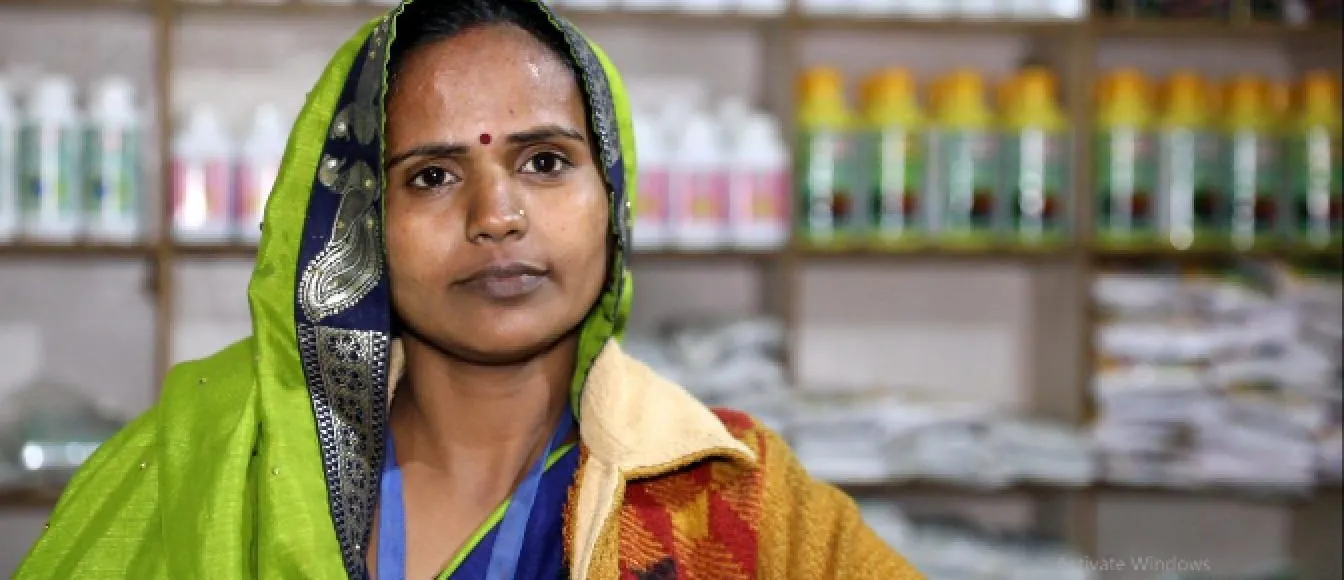
Image Source: Techno Serve
In 2015, determined to bring change, Prema joined the Raebareli Farmer Producer Company Ltd. (RFPCL)—a collective formed to help farmers gain better market access, negotiate fair prices, and improve profitability. However, the FPO faced severe challenges. Without proper technical and business knowledge, they struggled to meet buyer requirements, leading to financial penalties. Revenue was low, and the group seemed on the brink of collapse. In 2019, when Prema was named its director, she found herself in a difficult position, lacking the expertise to turn things around.
Help arrived in the form of TechnoServe’s Sustainable Livelihoods for Smallholder Farmers program, funded by the Walmart Foundation. Through structured training sessions, TechnoServe guided Prema and her team on business planning, financial management, market connections, and compliance. The training was designed to accommodate women’s schedules, allowing them to balance household responsibilities while gaining crucial skills.
Prema took the lead in applying these lessons, ensuring the group followed financial best practices and strengthened market ties. Within two years, RFPCL’s revenue doubled, and profits increased by over 500%. The organization eliminated penalties, expanded its market reach, and encouraged more women to take leadership roles.
Today, Prema Devi is a symbol of resilience and progress. Through knowledge, persistence, and collective action, she has transformed not only her farm but also the lives of many women in her community, proving that empowered women can drive sustainable change in agriculture.
As India moves towards a more inclusive and sustainable agricultural future, the contributions of women farmers cannot be overlooked. Their ability to adapt, innovate, and lead has already set a strong foundation for the next generation of women in farming. By supporting their efforts—through education, fair market access, and policy reforms—we can build a future where women are not just participants but pioneers in shaping India’s agrarian landscape. This Women’s Day, let’s celebrate their achievements and commit to empowering more women in agriculture.
Written by Farmland Bazaar Team
Agricultural assets advisor contributing to Farmland Bazaar v2. Focusing on organic investments, soil analysis reports, and deed checks.